Standalone Machine or Complete Filling Line: Which Is Better for Your Project?
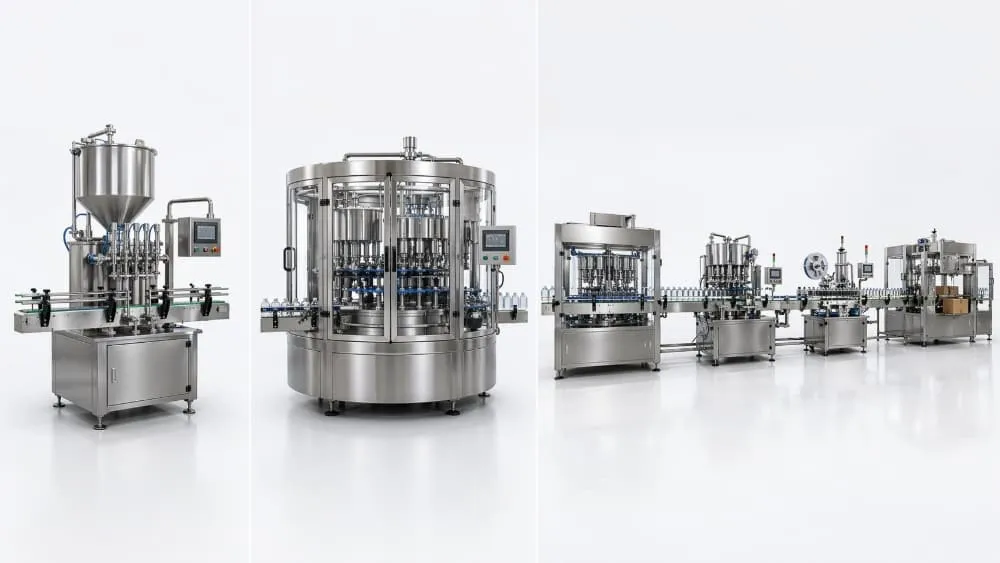
Choosing between a standalone machine and a complete filling line is not only a budget decision. It is a project decision.
Many buyers start by asking which option costs less. In practice, that is only one part of the answer. The better question is which setup fits your product, bottle type, target output, available space, current equipment, labor plan, and future expansion goals.
A standalone machine may be the right answer for one project and the wrong answer for another. The same is true for a monoblock system or a complete filling line. The best choice depends on how much of the packaging process needs to be solved now, how smoothly each machine needs to work with the next step, and how much flexibility or scalability the project will require over time.
In this guide, we compare standalone machines, monoblock systems, and complete filling lines from a practical project perspective, so you can make a clearer decision before investing in new equipment.
Quick Answer: Which Setup Fits Which Type of Project?
If you need a fast answer, the general rule is simple.
A standalone machine is often a better fit when you are upgrading one section of an existing line, starting with a lower budget, or running a smaller project that does not yet require full process integration.
A monoblock system is often the better middle option when you want a more compact setup, tighter coordination between filling and capping, or a cleaner and more integrated workflow without building a full-length complete line.
A complete filling line usually makes more sense when you are planning a new project from zero, targeting higher output, connecting multiple packaging steps, or thinking beyond today’s production need toward long-term growth.
What Counts as a Standalone Machine, a Monoblock System, and a Complete Filling Line?
Before you compare options, it helps to separate these three structures clearly.
Standalone machine
A standalone machine handles one core function in the packaging process.
That function might be bottle washing, filling, capping, labeling, case packing, or another single production step. Standalone equipment is usually chosen when the project does not need every process integrated at once, or when the buyer wants to improve one section of an existing line without replacing everything else.
A standalone filling machine, for example, can be added to a production setup that already has conveyors, capping, and labeling equipment in place.
Monoblock system
A monoblock system combines multiple closely related functions into one compact machine structure.
In liquid packaging, this often means two or three linked steps such as rinsing, filling, and capping working together in one coordinated unit. Compared with separate machines connected across a longer line, a monoblock system usually offers a smaller footprint and fewer transfer points between operations.
This makes it attractive when space is limited, bottle handling must stay stable, or the project benefits from tighter process coordination.
Complete filling line
A complete filling line is a full project-level solution rather than a single machine.
It usually includes several connected stages such as bottle washing or rinsing, filling, capping, drying, labeling, coding, carton handling, and other end-of-line processes. A complete filling line is designed to make the full workflow work together, not just one isolated step.
If your goal is to move bottles through a coordinated sequence from empty container preparation to finished packed product, you are no longer choosing only a machine. You are choosing a line structure.
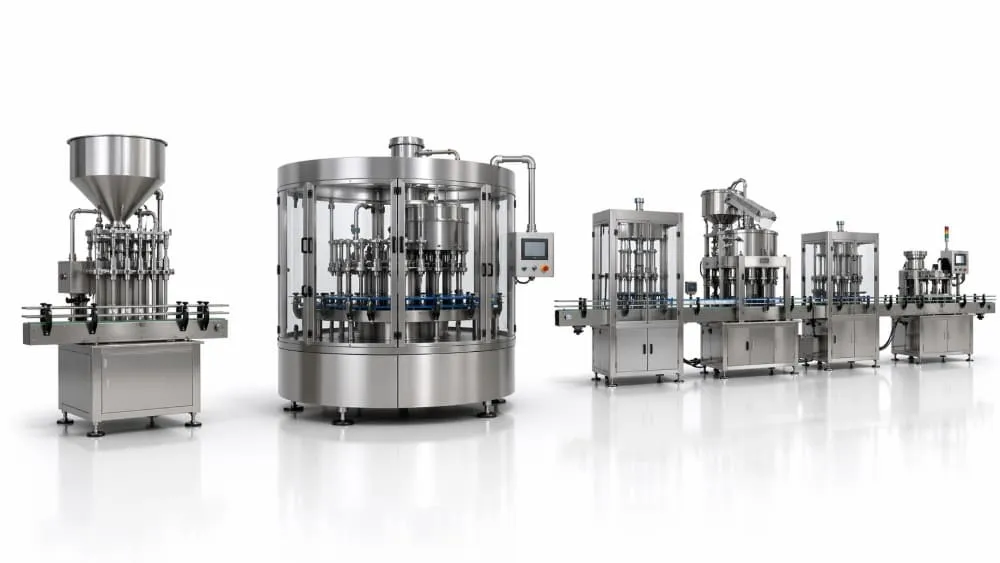
Standalone vs Monoblock vs Complete Filling Line: Side-by-Side Comparison
| Comparison Point | Standalone Machine | Monoblock System | Complete Filling Line |
|---|---|---|---|
| Initial investment | Usually lowest upfront cost | Mid-range investment | Usually highest upfront cost |
| Floor space | Flexible, depends on line layout | Most compact option | Requires the most overall planning |
| Labor requirement | Often more operator involvement | Reduced handoff between core steps | Better suited to broader automation |
| Integration level | One process at a time | Tight integration between key steps | Full project-level workflow integration |
| Changeover flexibility | Usually strongest modular flexibility | Good for stable formats | Depends on full system design |
| Upgrade path | Easier to replace single sections | More compact but less modular | Best when planned around future growth |
| Best fit | Upgrades, phased investment, targeted improvements | Compact projects needing tighter coordination | New projects or larger-scale long-term line planning |
The easiest way to compare these options is not by asking which one is “better” in general, but by asking which one fits the type of project you are actually running.
When a Standalone Machine Makes More Sense
A standalone machine is usually the better choice when your real problem is limited and specific.
If you already have a working line and only one section is slowing production down, replacing or adding one machine is often more practical than redesigning the whole system. The same applies when you are increasing capacity in stages, validating a new product, or working with tighter capital planning.
A standalone machine often makes sense when:
- you already have part of the line in place
- only one production step needs improvement
- your current output target is still moderate
- you want phased investment instead of a full project at once
- future equipment decisions may change as the business develops
This is especially useful when the question is not “How do I build an entire new line?” but rather “How do I improve what I already have?”
For example, if your filling section is the main bottleneck but your capping and labeling system are still performing well, replacing only the filler can be the smarter move.
When a Monoblock System Is the Better Middle Option
A monoblock system becomes very attractive when a project needs more integration than separate standalone machines can easily provide, but does not yet need the full footprint or complexity of a complete line.
This option often fits buyers who want:
- a more compact layout
- fewer bottle transfer points
- tighter coordination between filling and capping
- smoother handling of smaller or less stable bottles
- a cleaner and more integrated process flow
This is why monoblock systems are often viewed as the middle option between separate modular machines and a longer complete line.
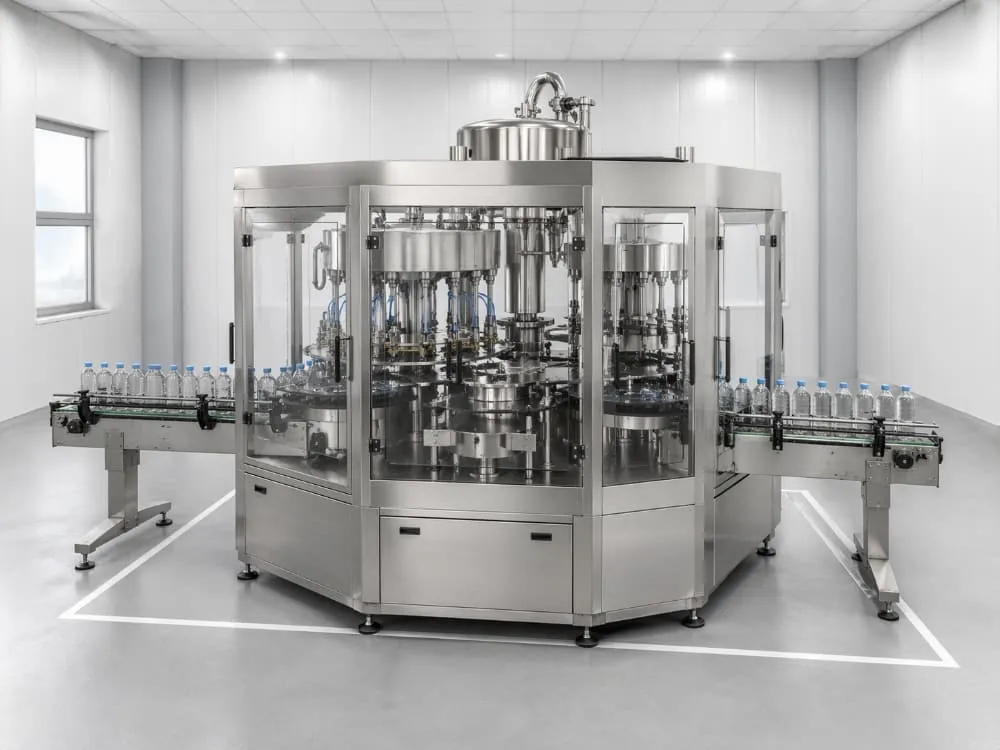
If your workshop space is limited, or if your product benefits from moving through closely controlled stages with less interruption, a monoblock system may solve the project more efficiently than stretching multiple independent machines across the floor.
It can also make sense when you want a more advanced and integrated solution, but still prefer a simpler overall structure than a full multi-stage line with extensive downstream equipment.
When a Complete Filling Line Is the Smarter Long-Term Choice
A complete filling line usually becomes the better choice when your project is already bigger than one machine problem.
If you need multiple connected stages to work together, a complete filling line often creates a better long-term result than buying separate machines one by one without a full plan. It allows the project to be designed around total workflow, not just isolated equipment decisions.
A complete filling line is often the stronger choice when:
- you are building a new project from zero
- you need rinsing, filling, capping, labeling, and downstream processes to work together
- your target output is higher
- labor reduction matters
- you want cleaner line coordination and smoother material flow
- you are planning for long-term growth rather than short-term patchwork
This does not always mean the largest or most complex line is the best answer. It means the project should be planned as a system.
For many medium- to higher-output projects, trying to solve a full packaging process with disconnected equipment decisions can create more layout issues, more bottle transfer problems, and more future adjustment cost than planning the line correctly from the beginning.
How Output, Floor Space, Labor, and Expansion Plans Change the Decision
Even when two buyers make the same product, they may still need different solutions because the surrounding project conditions are different.
Output
If your output is still moderate, a standalone machine or a smaller integrated system may be enough.
If you are planning for larger volume, continuous production, and stronger line stability, the case for a complete filling line becomes stronger.
Floor space
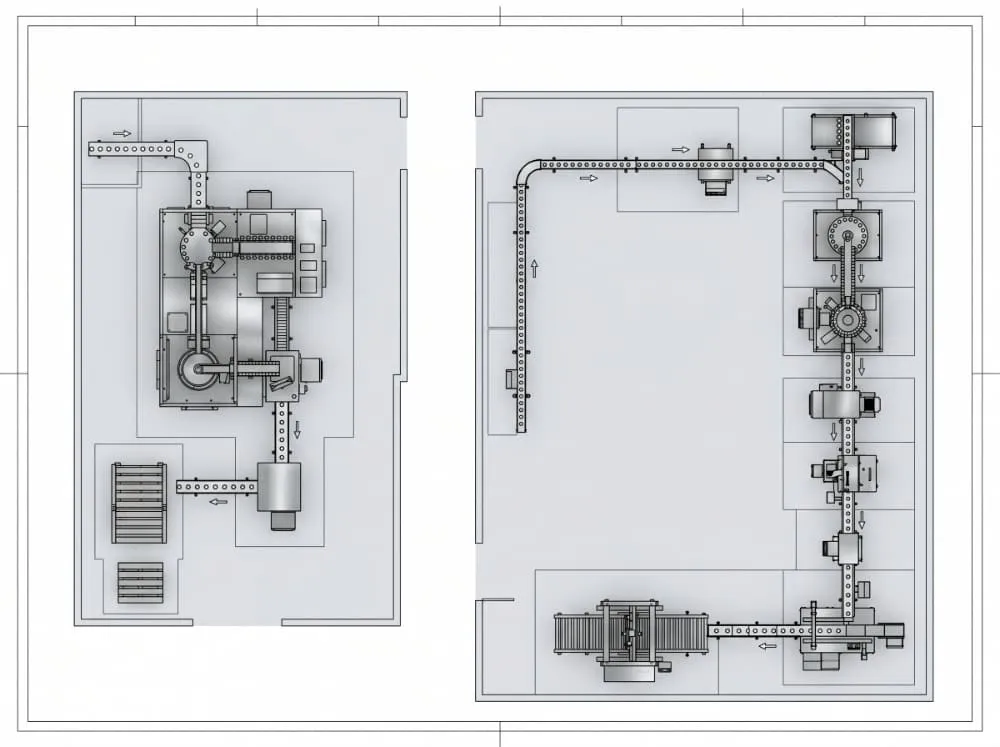
If your workshop is tight, line length becomes a real decision factor. A monoblock system may help reduce total footprint and simplify movement between stages.
If space is not the main constraint, separate stations or a longer complete filling line may offer more flexibility in how you arrange the production flow.
Labor
If operator involvement is still acceptable and the project is not yet highly automated, standalone equipment may be sufficient.
If labor reduction and process consistency are becoming more important, it makes more sense to think about tighter machine integration and full-line coordination.
Expansion plans
This is one of the most overlooked parts of equipment selection.
A machine that solves today’s problem may become tomorrow’s limitation if your product range, packaging style, or target capacity is likely to grow. That is why the decision should not be based only on current demand. It should also reflect whether the project is expected to scale.
Do You Need a New Line or an Upgrade to an Existing Line?
This is one of the most practical questions on the page.
Not every project needs a brand-new line. In many cases, upgrading one or two sections of an existing setup is enough. But in other cases, patching an old system repeatedly only delays a larger redesign that is already necessary.
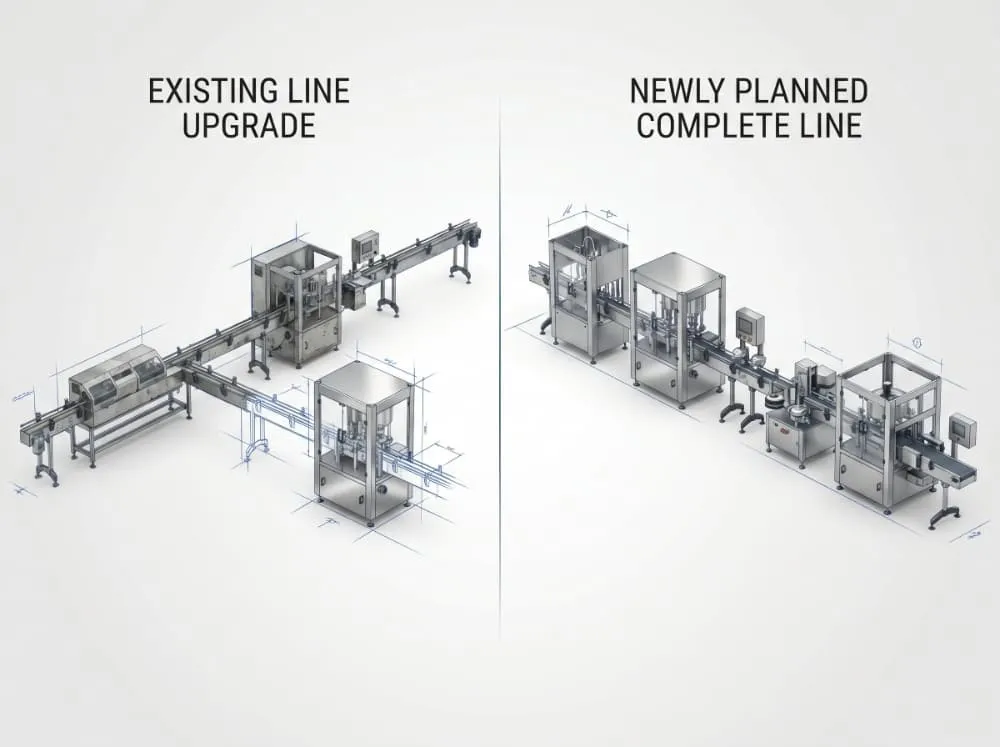
You are more likely to need an upgrade to an existing line when:
- the current line still works well overall
- only one or two stations are underperforming
- the main structure of the workflow still fits your product
- capacity increases are still moderate
You are more likely to need a more complete redesign when:
- multiple stations are already limiting throughput
- bottle handling is unstable between processes
- line coordination problems are affecting overall output
- your current layout is no longer practical
- the project is moving to a different scale of automation
For many buyers, this becomes the real decision point. The issue is not simply whether a standalone machine is cheaper than a complete filling line. The issue is whether your current line structure still deserves incremental investment.
Real-World Project Scenarios
Looking at a few realistic scenarios makes this decision much easier.
Scenario 1: Existing line, limited budget, moderate output
You already have conveyors, capping, and labeling equipment, but the filling step is holding production back.
In this case, a standalone filling machine may be the best solution. The project does not necessarily need a complete redesign. If one machine can be integrated into the current line and solve the main bottleneck, a phased upgrade is often more practical.
Scenario 2: Compact workshop, tighter bottle control needed
You need filling and capping to work in a smaller footprint, and bottle stability matters more because the container is light, narrow, or less stable in transfer.
In this type of project, a monoblock system may be the better answer. It reduces the distance between core operations and can improve workflow in a tighter space.
Scenario 3: New project, multiple packaging steps required
You are launching a new bottling project and already know that rinsing, filling, capping, labeling, and downstream packaging all need to be coordinated from the start.
This is where a complete filling line often becomes the smarter long-term solution. Instead of solving one machine at a time and risking layout problems later, the project is built around a connected process from the beginning.
What to Prepare Before Requesting a Quote for a Single Machine or a Complete Line
A better quote starts with better project inputs.
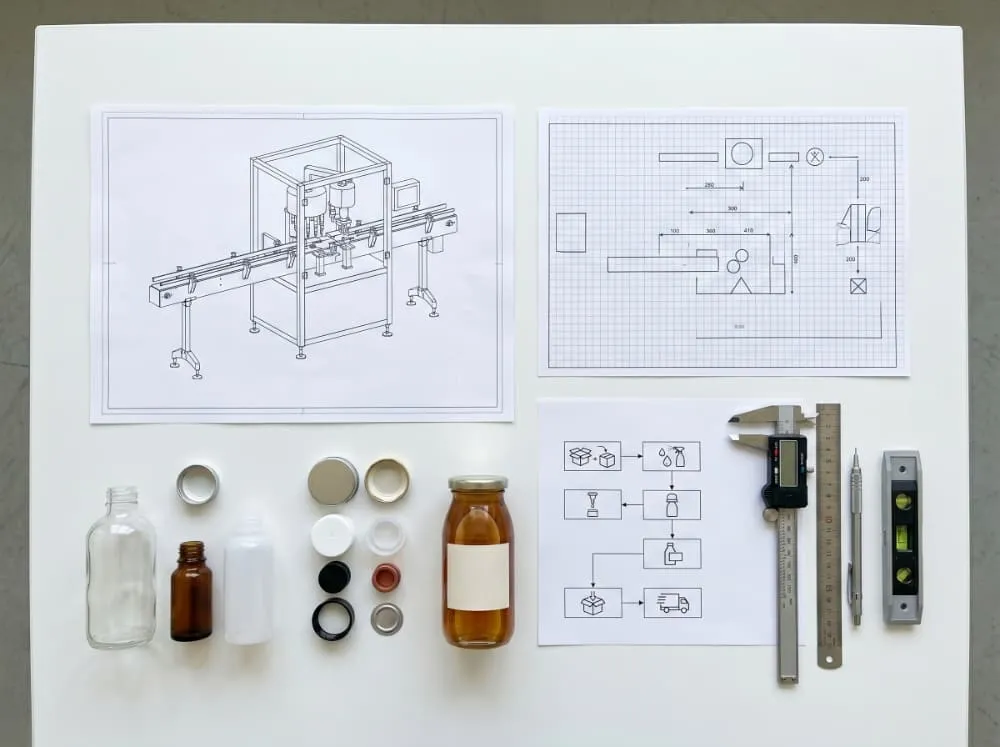
Before requesting a quote, define the following as clearly as possible:
- Product type
- Bottle or container type
- Fill volume range
- Target output
- Required process steps
- Current equipment, if any
- Available floor space
- Labor and automation expectations
- Future expansion plans
- Whether you are building a new line or upgrading an existing one
These details make it much easier to judge whether your project should start with a standalone machine, move toward a monoblock system, or be planned as a complete filling line.
Final Thoughts
The best choice is not the option with the lowest initial price or the most advanced appearance. It is the option that fits the real structure of your project.
A standalone machine is often the right answer when you need flexibility, phased investment, or a targeted upgrade. A monoblock system is often the better middle option when you need tighter integration in a compact space. A complete filling line becomes the smarter choice when the project already depends on multiple connected stages and long-term coordination.
If you are still deciding between these options, start with the fundamentals: your product, your bottle, your target output, your available space, your current equipment, and your expansion plan.
Once those inputs are clear, the right direction becomes much easier to see.
Contact MotivaPAC to get more professional suggestion for your filling requirement.
FAQ
Is a standalone machine always the cheaper option?
Not always in the long run. A standalone machine usually requires less initial investment, but if your project already needs multiple connected steps, solving the line one machine at a time can create additional integration, layout, and upgrade costs later.
What is the difference between a monoblock system and a complete filling line?
A monoblock system combines multiple closely related functions in one compact structure, usually to save space and improve coordination between key steps. A complete filling line covers a broader project workflow and connects multiple stages across the full packaging process.
Can I upgrade an existing bottling line instead of buying a new one?
Yes, in many cases you can. If the current line still works well overall and only one or two sections are holding capacity back, an upgrade may be more practical than a full replacement.
When does a complete filling line make more sense than separate machines?
A complete filling line usually makes more sense when you are starting a new project, need multiple connected packaging steps, want stronger automation, or are planning for higher output and long-term expansion.