Liquid Filling Machines for Bottles and Bottling Lines
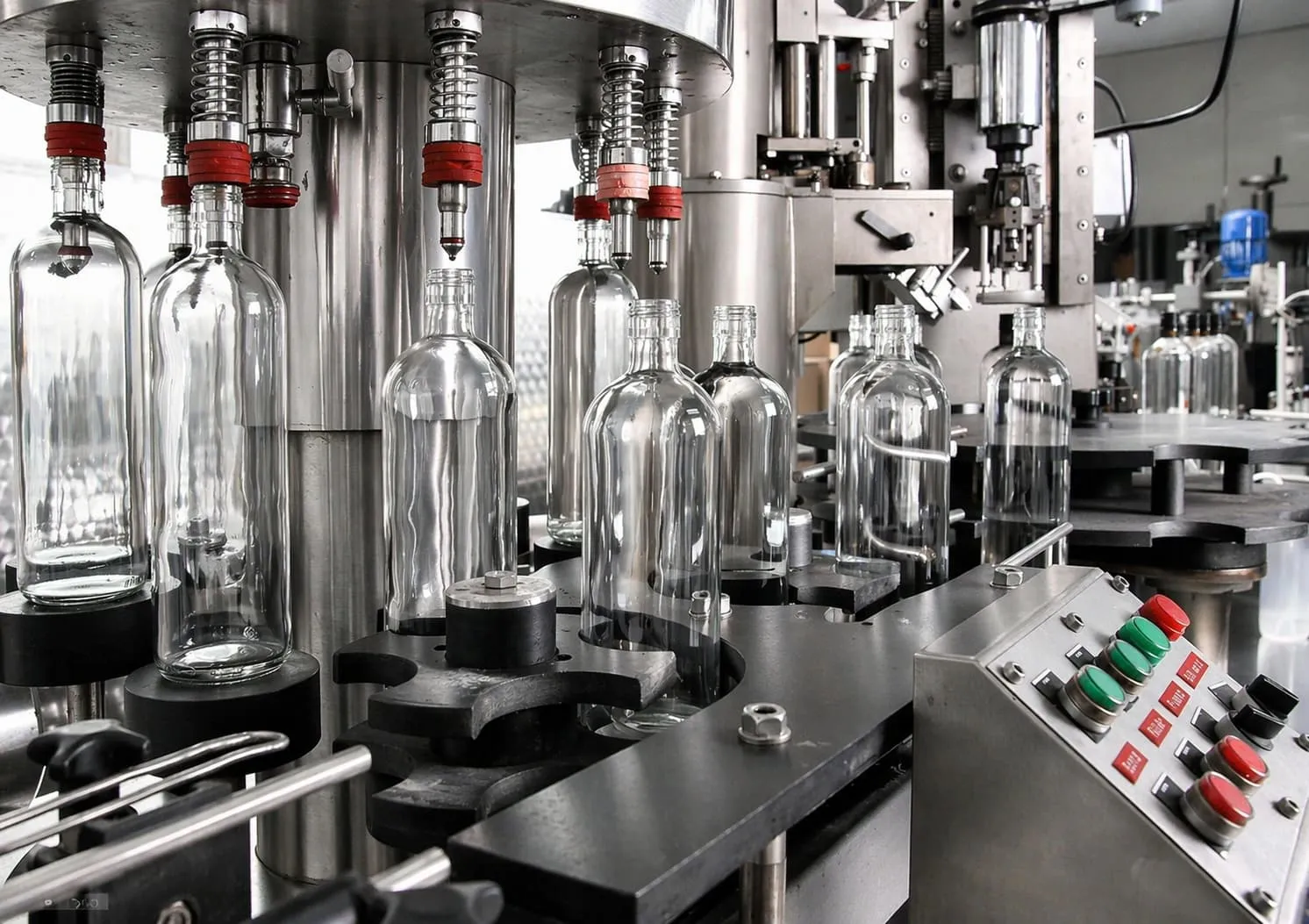
Match the filling principle to your liquid before choosing a machine. MotivaPAC configures piston, gravity, induction, metering pump, quantitative and monoblock systems around viscosity, foam, particles, bottle format, cap type and required output.
- Liquid behavior and temperature
- Bottle material, shape and volume
- Cap or closure type
- Target bottles per hour
- Cleaning and changeover needs
- Standalone machine or complete line
Which Filling Principle Fits Your Product?
The product condition determines how liquid enters the bottle, how foam or particles are controlled, and which cleaning and changeover steps are practical.
Gravity or equal-level filling
Suitable starting point for water-like liquids, vinegar, soy sauce, wine and products where level appearance matters.
Review gravity filling machinesInduction or controlled-level filling
Consider liquid behavior, filling temperature and bottle neck when foam, overflow or fill appearance requires closer control.
Review induction fillersServo piston filling
Common direction for edible oil, syrup, lotion, detergent, motor oil and products that need controlled volumetric filling.
Review piston filling machinesMetering pump or piston filling
Viscosity, particle size, suspension stability, filling range and cleaning method must be confirmed before pump selection.
Review metering pump fillersElectronic quantitative filling
Useful when repeatable volume adjustment and multi-spec bottled production are important to daily operation.
Review quantitative fillers3-in-1 monoblock system
Consider an integrated system when bottle preparation, filling and capping need synchronized handling in a compact layout.
Review monoblock systemsNot sure which method fits? Send the liquid name, viscosity or flow behavior, bottle volume, bottle material, cap type and target output. These inputs are enough for an initial configuration review.
Send Project InputsStandalone Liquid Filling Machine or Complete Bottling System?
A liquid bottling machine can mean one filler, a filling-and-capping system, a rinse-fill-cap monoblock or a complete line. Define the equipment boundary before comparing quotations.
| Configuration | Best when | What must be confirmed | Typical next step |
|---|---|---|---|
| Standalone filler | Bottle feeding, capping or labeling equipment is already available. | Conveyor height, speed matching, controls and existing line interfaces. | Share current line photos and layout dimensions. |
| Filling + capping system | Filling and cap closing need coordinated bottle transfer. | Bottle neck, cap type, cap feeding and torque or closing method. | Send bottle and cap samples or drawings. |
| Rinse-fill-cap monoblock | Compact layout and synchronized bottle handling matter. | Rinsing method, filling principle, bottle stability, cap and output. | Confirm whether rinsing is required for the process. |
| Complete bottling line | A new project needs filling, capping, labeling, packing and conveying planned together. | Full process flow, factory space, utilities, acceptance points and downstream scope. | Request a line layout and equipment scope. |
Compare MotivaPAC Liquid Filling Technologies
Each equipment family solves a different filling problem. Final selection depends on actual liquid and package samples rather than the machine name alone.
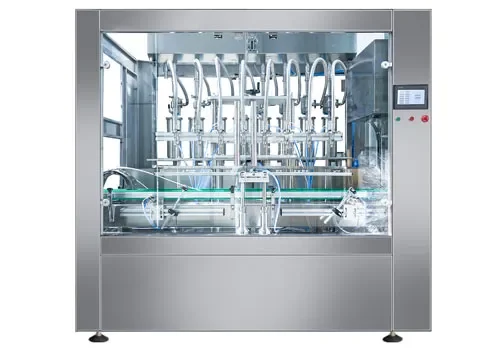
Automatic Linear Piston Filling Machine
Volumetric filling direction for viscous and semi-viscous bottled products.
- Best for: Oils, syrups, lotions, detergents and similar products.
- Confirm: Viscosity, temperature, filling volume and cleaning method.
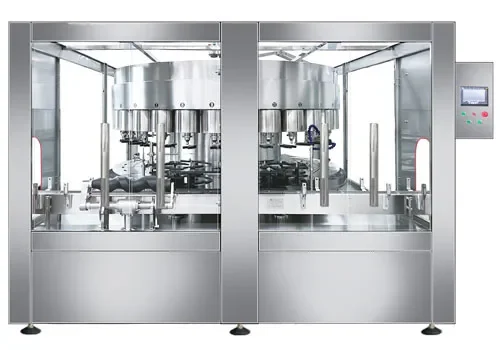
Electronic Quantitative Filling Machine
Machine family for projects that need repeatable volume control and practical adjustment.
- Best for: Multi-spec bottled liquids and controlled volume filling.
- Confirm: Required range, accuracy target, bottle dimensions and speed.
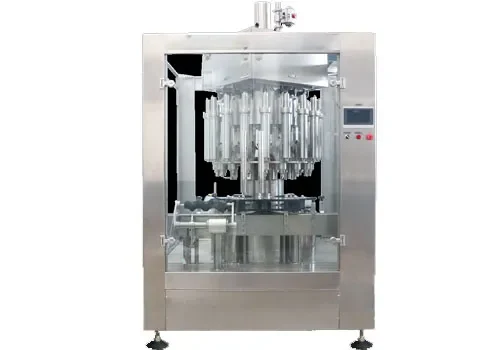
Intelligent Induction Filler
Controlled filling direction for foam-sensitive or level-sensitive liquid applications.
- Best for: Wine, liquor, juice and similar easy-to-foam liquids.
- Confirm: Foam behavior, temperature, bottle neck and fill level.
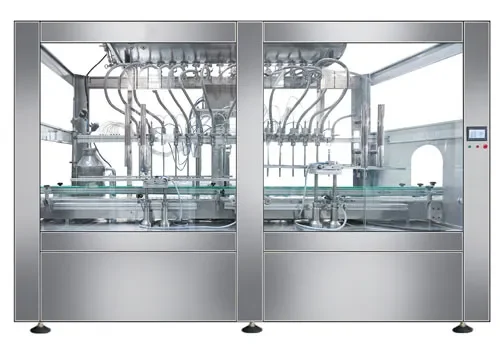
Gravity and Equal-Level Fillers
Practical filling structures for free-flowing liquids and level-based bottle filling.
- Best for: Water-like liquids, vinegar, soy sauce and wine.
- Confirm: Bottle material, neck size, fill appearance and output.
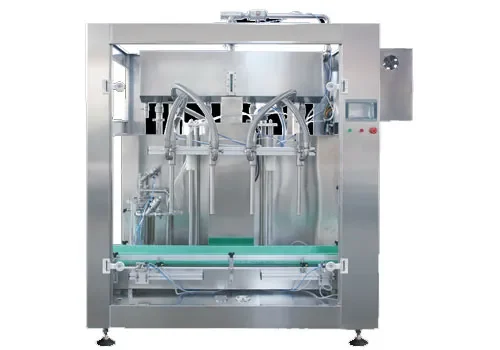
Linear Metering Pump Filler
Pumped dosing direction for concentrates, selected suspensions and industrial liquids.
- Best for: Syrup, oil, liquid fertilizer and controlled dosing.
- Confirm: Viscosity, particles, pump compatibility and cleaning.
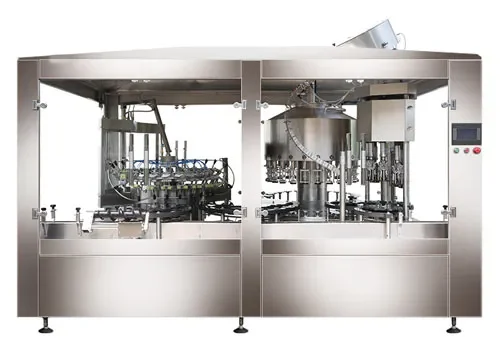
3-in-1 Monoblock System
Integrated bottle rinsing, liquid filling and cap closing in one coordinated machine.
- Best for: Projects needing compact, synchronized bottle handling.
- Confirm: Bottle, cap, rinsing need, filling method and output.
Filling Concentrated and Suspended Liquids
A liquid concentrate filling machine is selected from the product behavior, not from concentration alone. Pump choice, nozzle design, agitation, particle passage and cleaning access can change the final configuration.
Send these details before selection
- Viscosity range at actual filling temperature
- Particle size, solids content or suspension behavior
- Required filling volume and accuracy target
- Product-contact material and cleaning requirement
- Whether mixing, heating or product feeding is needed
Define the Machine Before Comparing the Price
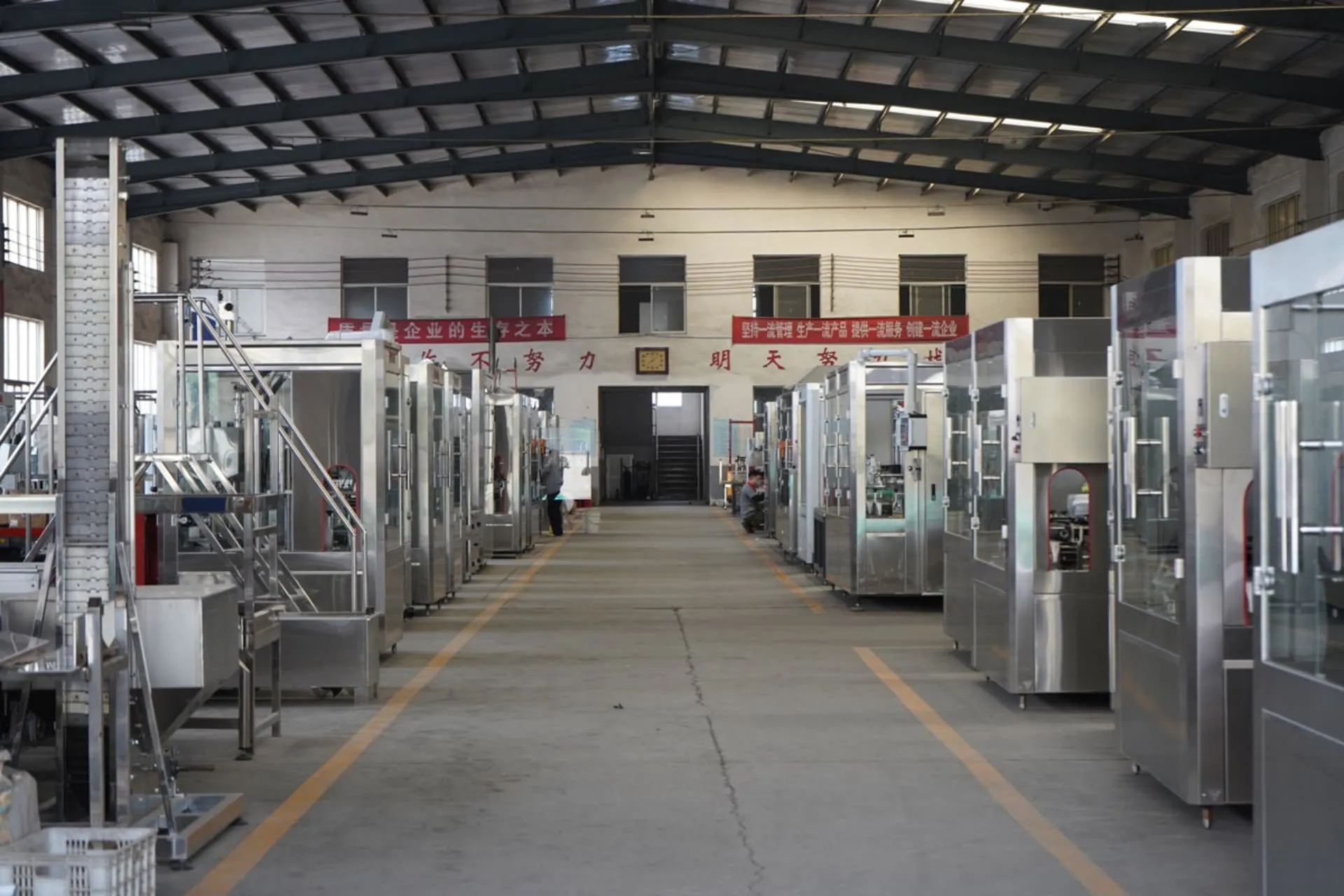
A useful quotation should make the equipment scope, technical assumptions and acceptance points visible. MotivaPAC reviews the liquid, container, closure, output and line interface before confirming the machine direction.
Liquid, bottle, cap, filling range, target output and changeover needs.
Product contact, foam, particles, filling accuracy, bottle handling and cleaning.
Agreed documents may include layout, specification, operating guidance and inspection records.
Record bottle and cap data, change parts, electrical components and spare-parts scope.
Get a Machine Recommendation
Send the information that changes the filling principle and machine scope. Bottle drawings, cap samples, product photos and a workshop layout can be added after the initial review.
- Liquid name, use, viscosity, foam and temperature
- Bottle material, shape, volume and neck size
- Cap or closure type
- Target bottles per hour and working schedule
- Cleaning, changeover and product-contact requirements
- Standalone machine or complete line expectation
- Country, voltage and available factory space
Match the Machine to the Liquid and Production Environment
Application pages provide more specific process and line-planning guidance after the filling principle has been narrowed down.
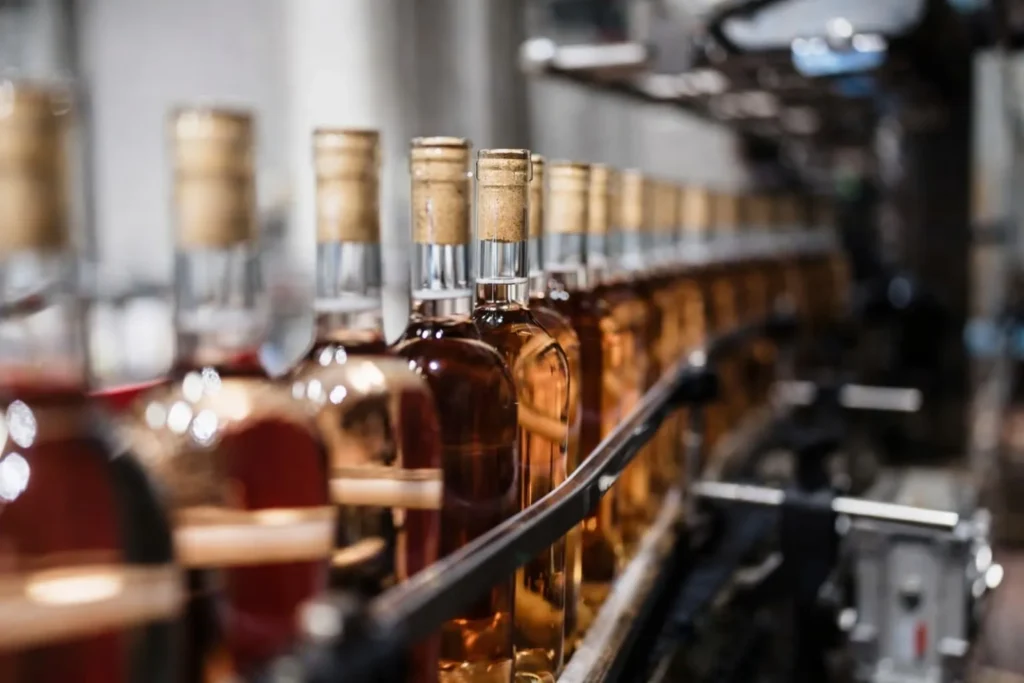
Wine, Spirits and Beverage Liquids
Review filling level, foam behavior, bottle material, closure and whether rinsing is part of the process.
Review beverage filling applications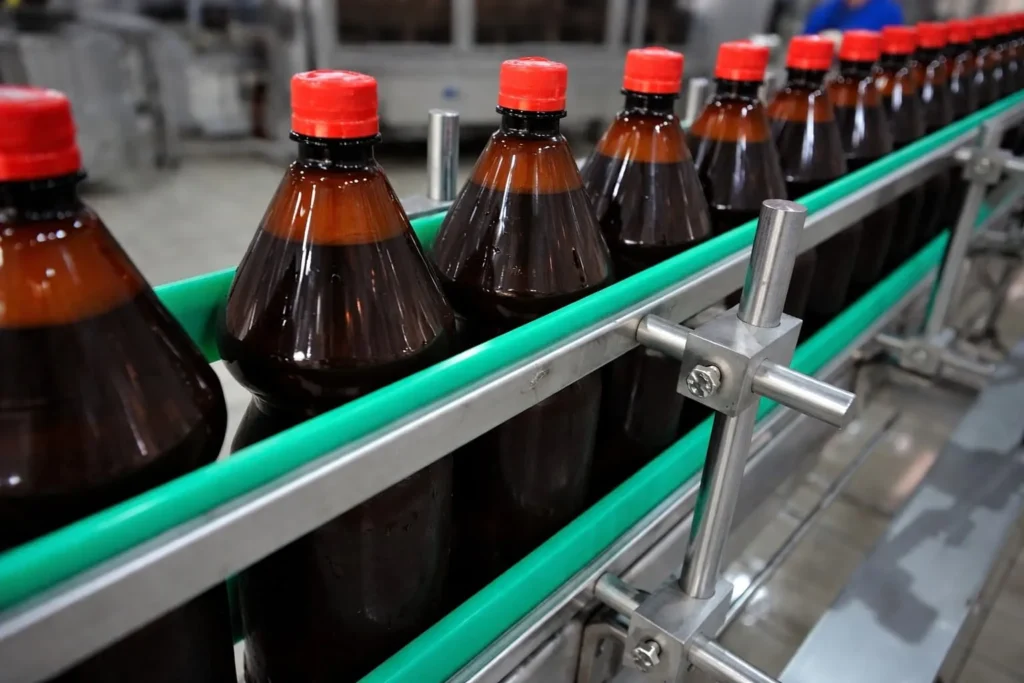
Food, Condiments and Edible Oil
Viscosity, temperature, particles, cleaning and bottle stability influence piston, gravity or pump selection.
Review edible oil filling lines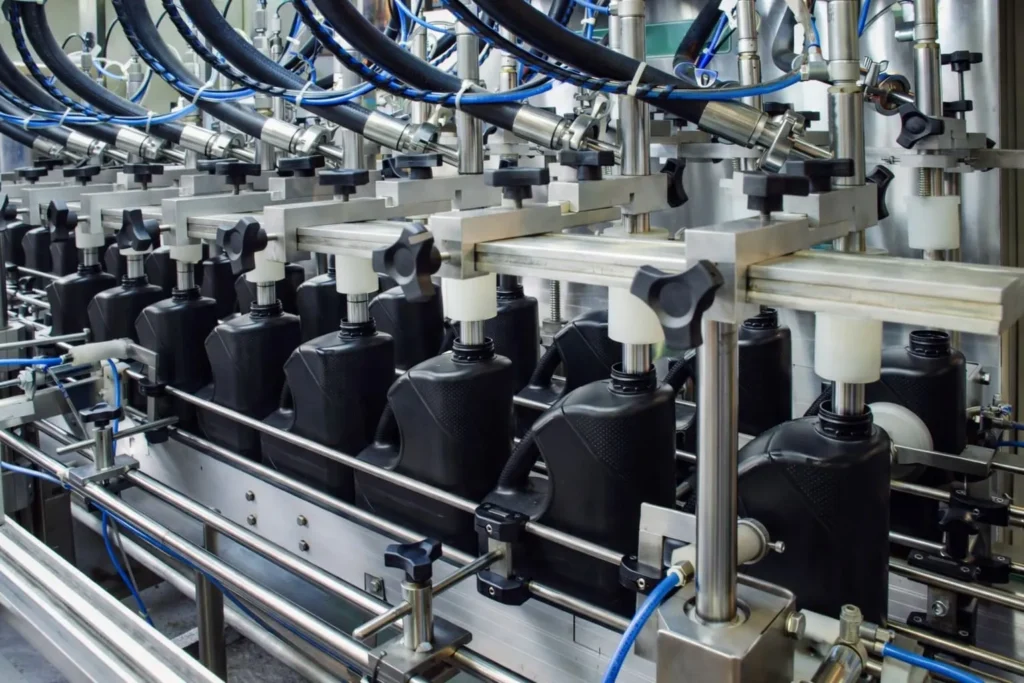
Daily Chemicals and Industrial Liquids
Confirm foam, corrosion risk, product-contact material, container format and cleaning between product changes.
Review daily chemical filling linesConnect Filling with the Rest of the Bottling Line
Add only the equipment required by the confirmed process. Keep every machine, interface and acceptance responsibility visible in the quotation.
Frequently Asked Questions
Practical answers for buyers comparing machine principles and project scopes.
How do I choose the right liquid filling machine?
Start with viscosity, foam, particles, filling temperature, bottle format, filling volume, cap type and target output. These inputs determine whether gravity, piston, induction, metering pump, quantitative or monoblock equipment is the better starting point.
What is the difference between a liquid filling machine and a liquid bottling machine?
A liquid filling machine fills the product into a container. A liquid bottling machine or bottling system may also include rinsing, capping, labeling, conveying, packing and other line equipment.
Which machine is suitable for viscous liquids?
Servo piston filling is a common direction for viscous products. Metering pump filling may suit selected concentrates or dosing applications. Final selection requires the actual viscosity range, temperature, filling volume and cleaning method.
Can the equipment handle liquid concentrates or suspended products?
Some concentrates and suspensions can be handled with metering pump or piston structures. Particle size, solids content, product feeding, nozzle passage and cleaning access must be reviewed before confirmation.
Can one machine run different bottle sizes?
Some machine structures support multiple bottle sizes after guide, nozzle, timing or change-part adjustments. Send the smallest and largest bottle drawings so the compatible range and changeover method can be confirmed.
What documents should be agreed before ordering?
Confirm the equipment scope, layout, technical specification, product-contact material, major components, utilities, inspection and acceptance points, spare parts, operating documents and installation support in the quotation or contract.
Configure the Machine Around Your Product and Package
Share the liquid, bottle, cap and target output. MotivaPAC will review the filling principle, machine scope and line interfaces before preparing a practical proposal.