
APPLICATIONS / SAUCE FILLING MACHINE
Sauce Filling Machines for Bottles
MotivaPAC engineers sauce filling machines for ketchup, honey, BBQ sauce, chili sauce and other pumpable foods packed in PET or glass bottles. We configure the filling platform around the product viscosity, temperature, suspended ingredients, fill volume, bottle opening and production target.
Choose the GZH servo-piston series for smooth, viscous sauces and controlled volumetric filling. For sauces that benefit from pump-based delivery, a broader fill range or a product path designed around suspended ingredients, our team evaluates the GZB metering-pump series. Both platforms can operate as standalone fillers or connect with capping, labeling and end-of-line equipment.
- Servo-controlled filling for smooth, viscous sauces
- Pump-based configurations for demanding product flow
- PET and glass bottle handling
- Standalone filler, filling-and-capping section or integrated line
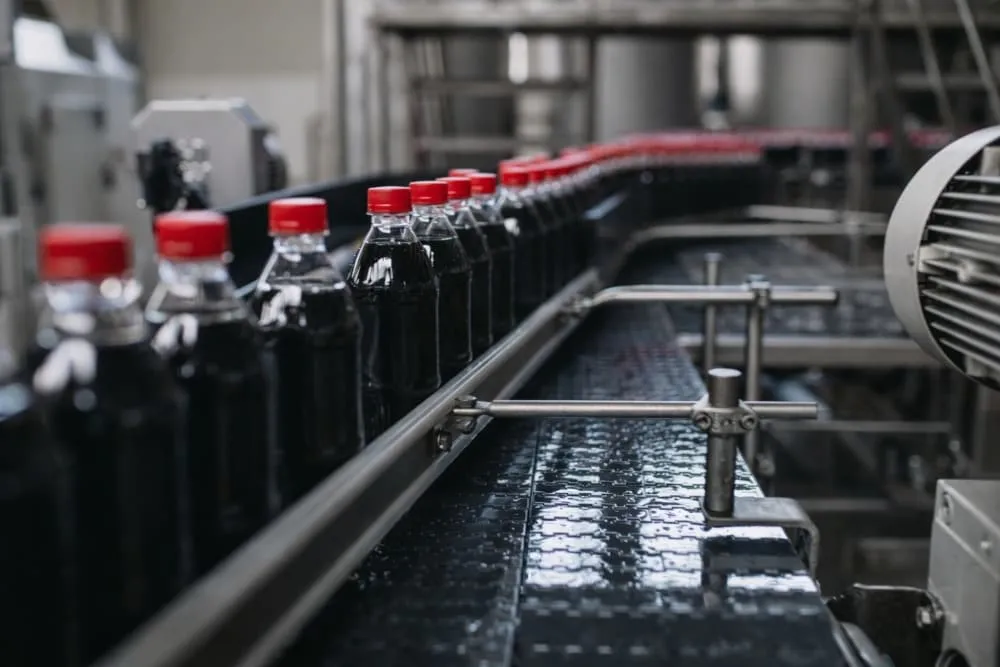
Selection starts with the sauce.
Viscosity, temperature, particles, bottle opening and output determine the practical direction.
Choose the Right Filling Platform
Smooth ketchup, honey and similar pumpable products normally start with the GZH servo-piston platform. Sauces with suspended ingredients, difficult flow behavior or a wider volume range often point to the GZB metering-pump platform. Free-flowing condiments such as soy sauce and vinegar can run more efficiently on a gravity, level-control or electronic quantitative filler.
Share the sauce, filling temperature, bottle, cap, fill volume and target speed. We will recommend the filling route and define the product-validation plan for your project.
Sauce Filling Machine Range
Two proven filling platforms give our engineers a practical starting point for smooth sauces, demanding product flow and a wide range of bottle sizes.
| Series | Filling Platform | Available Filling Range | Reference Output | Heads | Reference Accuracy |
|---|---|---|---|---|---|
| GZH-4 / GZH-8 / GZH-12 | Servo piston | 100–1,000 ml or 500–5,000 ml | 1,000–4,500 BPH | 4 / 8 / 12 | ≤±0.5% |
| GZB-1 / GZB-2 / GZB-6 / GZB-8 / GZB-16 | Metering pump | 250–20,000 ml | 150–2,400 bottles/hour | 1 / 2 / 6 / 8 / 16 | ±1 g / 500 g |
Performance note: The GZH output range uses a 1,000 ml water-like liquid as the reference condition. Thick sauces generally run at a different speed. Final output and filling tolerance are established around the sauce, temperature, fill volume, bottle opening, head quantity and test method used for the project.
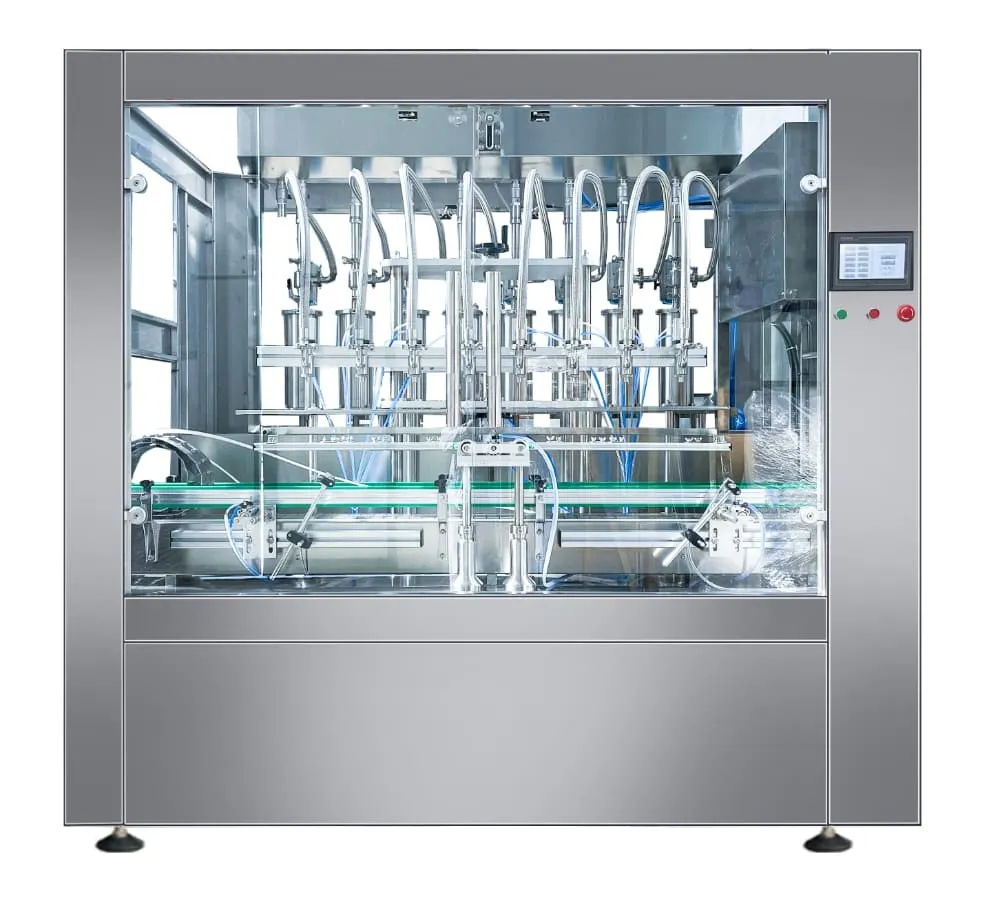
GZH Series Automatic Linear Piston Filling Machine
Best for: Smooth ketchup, honey, BBQ sauce, smooth pastes and other viscous products that need controlled volumetric dosing.
The GZH automatic linear piston filling machine uses servo-controlled piston stroke to set the filling volume. Available 4-, 8- and 12-head configurations cover 100–1,000 ml or 500–5,000 ml ranges. Product-contact construction includes SUS316L wetted parts and food-grade seals on a SUS304 machine frame.
Fast-to-slow filling helps control the product near the bottle opening, while nozzle suck-back reduces dripping and product tails. We select the nozzle diameter, filling profile and shutoff action around the sauce and package. Product feeding, hopper design, heating or mixing can be integrated when the application calls for controlled temperature or continuous product movement.
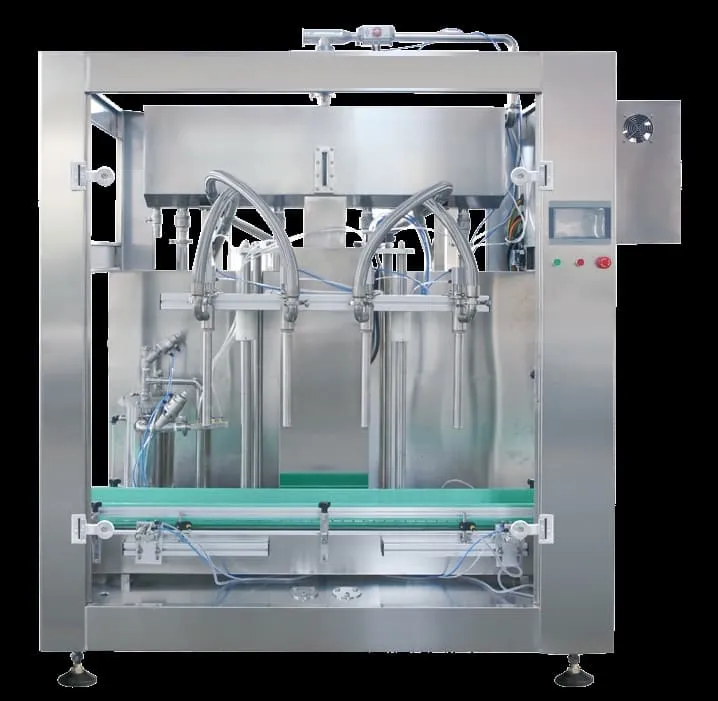
GZB Series Linear Metering Pump Filling Machine
Best for: Pumpable sauces that need pump-based product delivery, a broad filling range or a product path configured around suspended ingredients.
The GZB linear metering pump filling machine is available with 1, 2, 6, 8 or 16 filling heads and covers a 250–20,000 ml range. PLC-based flow adjustment supports recipe changes across different products and fill volumes.
For sauces containing seeds, herbs, fibers or other suspended material, we size the pump, valve and nozzle path from the maximum particle dimension, particle percentage and settling behavior. Product samples give our engineers the clearest basis for selecting the pump structure, feeding arrangement, cleaning access and nozzle configuration.
GZH or GZB: Which Platform Fits?
Product behavior, package geometry and cleaning expectations lead the selection.
| Selection Point | GZH Servo Piston | GZB Metering Pump |
|---|---|---|
| Best for | Smooth, viscous sauces that suit controlled piston dosing | Sauces that benefit from pump delivery, suspended-ingredient handling or a broader fill range |
| Filling principle | Servo-controlled piston stroke | Metering-pump delivery with PLC flow adjustment |
| Available volume range | 100–1,000 ml or 500–5,000 ml | 250–20,000 ml |
| Key product data | Viscosity, temperature, stringing and compressibility | Flow behavior, particle size, settling and pump compatibility |
| Cleaning focus | Hopper, piston, valve, nozzle and drainage | Pump, product path, hoses, nozzle and drainage |
| Validation basis | Sauce or agreed substitute, bottles, target speed and tolerance | Sauce, selected pump setup, bottles, target speed and tolerance |
The machine name alone does not determine the right platform. Product behavior, package geometry and cleaning expectations lead the selection.
Match the Machine to Your Sauce
Viscosity, suspended ingredients and operating temperature shape the product path, filling profile and practical output.
Smooth, Viscous Sauces
Servo-piston filling gives smooth ketchup, tomato sauce, BBQ sauce, honey and similar products controlled volumetric dosing across multiple bottle sizes. We tune piston speed, nozzle size and suck-back around the way the sauce flows and strings.
Recipes with the same product name can fill differently. Solids content, thickeners and operating temperature all influence cycle time and nozzle behavior, so representative product data improves the first machine recommendation.
Sauces with Suspended Ingredients
Seeds, herbs and fibers affect every restriction in the product path. We use the largest particle dimension, shape, proportion and settling behavior to evaluate the pump, valve and nozzle.
Large pieces, heavy solids and non-pumpable textures require a different product-handling route from a standard bottle filler. When particle behavior is central to the project, sample testing establishes the practical configuration and performance range.
Thin Sauces and Liquid Condiments
Soy sauce, vinegar and other free-flowing condiments often suit gravity, level-control or electronic quantitative filling better than a viscous-sauce platform. Foam, desired liquid-level appearance, fill-volume changes and bottle format guide that decision.
For projects that include rinsing, filling, capping, labeling and secondary packaging, see MotivaPAC’s condiments and seasoning filling line.
Temperature-Sensitive or Separating Products
Temperature changes viscosity, pumpability and filling time. Sauces that thicken, separate or crystallize can use an application-specific feeding system with insulation, heating or mixing when those functions fit the process.
Tell us the normal production temperature, maximum filling temperature, holding time and whether continuous mixing is permitted. We use those conditions to select the product-contact materials, seals, transfer equipment and cleaning arrangement.
PACKAGE COMPATIBILITY
Configure the Bottle and Closure Handling
Lorem ipsum dolor sit amet, consectetur adipiscing elit. Ut elit tellus, luctus nec ullamcorper mattis, pulvinar dapibus leo.
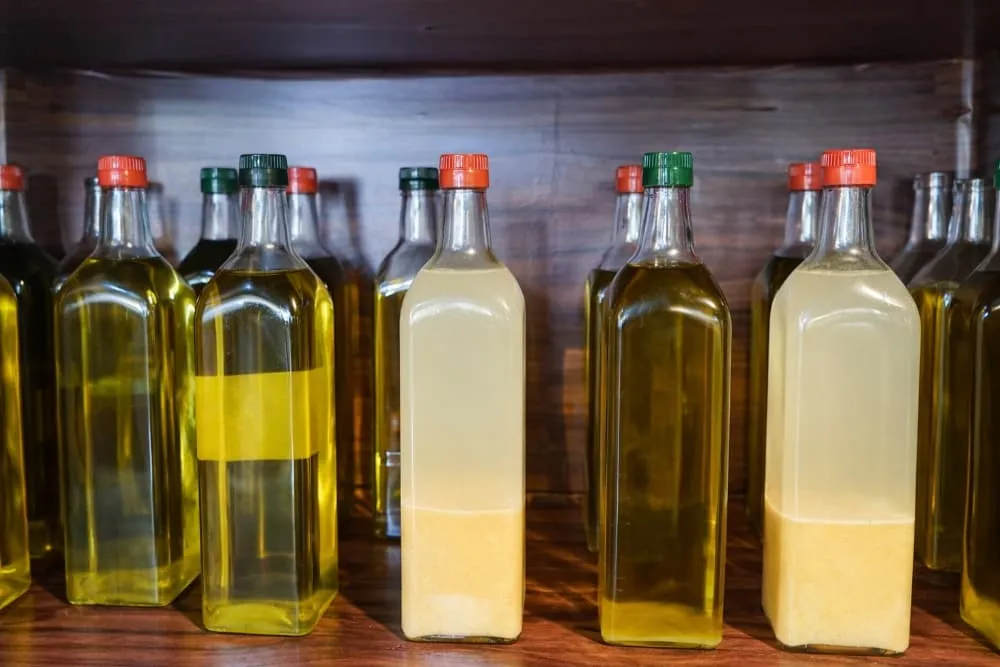
PET and Glass Bottles
Round, square, flat and squeeze-style bottles need stable conveyor support and correctly positioned guides. We configure bottle handling from dimensioned drawings or samples, including every format planned for the machine. For glass bottles, we also match the closure system to the bottle finish.
Bottle Opening and Nozzle Fit
The opening needs enough clearance for the nozzle and product passage. A narrow neck can limit nozzle diameter, extend filling time or rule out larger suspended ingredients. We match nozzle position, diving movement and shutoff distance to the actual bottle.
Multiple Products and Formats
One filler can cover multiple products and bottle sizes when the full SKU range fits the selected filling platform. Recipe controls support product changeover, while adjustable guides and format parts handle bottle changes. Large differences in bottle height, width, stability or opening can call for additional change parts.
Plastic screw caps and other supported closures can be integrated with the filling section. Bottle-neck and cap drawings allow us to define cap feeding, orientation and tightening.
Wide-mouth jars require a separate handling and closure configuration. Pouches, sachets, tubes, cups and canned-food packages use different packaging platforms.
Select the Right Project Scope
Start with the equipment already in place, then add only the filling, capping and downstream modules the operation needs.
Standalone Filling Machine
Choose a standalone filler when the factory already has compatible bottle feeding, capping, labeling and packing equipment. We match conveyor height, working direction, operating speed and control interfaces to the existing line.
Filling and Capping Section
A coordinated filling-and-capping section keeps bottle transfer, cap feeding and tightening aligned with the filler’s practical output. The proposal defines the supported bottles, closures, conveyor interfaces and controls as one operating section.
Integrated Sauce Packaging Line
An integrated project can add bottle infeed, rinsing, capping, labeling, coding, case packing and line-layout coordination. We select only the modules required by the production plan. Complete-line projects connect naturally with MotivaPAC’s condiments and seasoning filling line.
Engineering Details That Protect Fill Quality
Clean cut-off, stable feeding, practical cleaning and a defined test method work together to protect daily production.
Cleaner Nozzle Cut-Off
Viscosity, stringing, nozzle diameter, shutoff design, suck-back, filling speed and nozzle position all affect the appearance of the filled bottle. We tune these elements together to reduce drips and product tails.
Stable Product Feeding
Consistent dosing starts before the filling nozzle. Feed-pump capacity, hopper level, pipe diameter and product head need to support the filling cycle. Heating, insulation and mixing become part of the configuration when the sauce needs controlled temperature or continuous movement.
Practical Cleaning and Changeover
Product-contact design determines retained volume, drainage, dismantling time and cleaning access. We define the removable parts, drainage points and wash-down method around the product-change schedule. When a project includes CIP or automated cleaning, we define the connections and cleaning sequence around the required standard, available utilities and validation responsibility.
Measurable Output and Accuracy
Performance figures become useful when the test conditions are clear. The proposal and FAT plan identify the sauce or substitute, temperature, fill volume, bottle opening, operating speed, test duration, sample quantity and acceptable deviation.
From Application Data to FAT
A clear four-stage process connects the application data, machine configuration, manufacturing inputs and acceptance test.
1. Application Engineering
We start with the sauce, package, required output, cleaning expectations and available factory space. Product and package samples help our engineers identify the most suitable filling and bottle-handling direction.
2. Configuration Proposal
You receive a defined model, head quantity, filling range, product-contact construction, nozzle arrangement and project scope. The proposal also records utilities, interfaces, changeover method, service boundaries and the conditions behind the expected performance.
3. Design Release
Final bottle and cap drawings, workshop layout, utility supply, machine direction and line interfaces become the basis for manufacturing. Resolving these details before production protects the nozzle, guide, conveyor and control design from late changes.
4. FAT and Shipment
The FAT plan records the test product or substitute, bottles, caps, fill volume, speed, duration and inspection method. Manuals, electrical documentation, spare-parts information and test records are prepared around the agreed delivery scope.
RFQ CHECKLIST
What to Send for a Sauce Filling Machine Quote
A well-defined application produces a clearer machine recommendation and quotation. Send:
- sauce name and general formulation;
- normal and maximum filling temperature;
- viscosity data or a short product-flow video;
- maximum particle size, shape and approximate percentage;
- information about foaming, stringing, settling, separation or crystallization;
- fill-volume range and number of SKUs;
- bottle material, dimensions, opening and photos;
- cap type and drawing when capping is included;
- target bottles per hour;
- existing equipment and available workshop space;
- cleaning and product-changeover expectations;
- product, bottle and cap samples when available.
Project Details That Shape the Machine
- Sauce and filling temperature
- Viscosity or flow video
- Particle size, shape and percentage
- Fill volume and SKUs
- Bottle, opening and cap
- Target BPH
- Cleaning and changeover
- Samples and FAT conditions
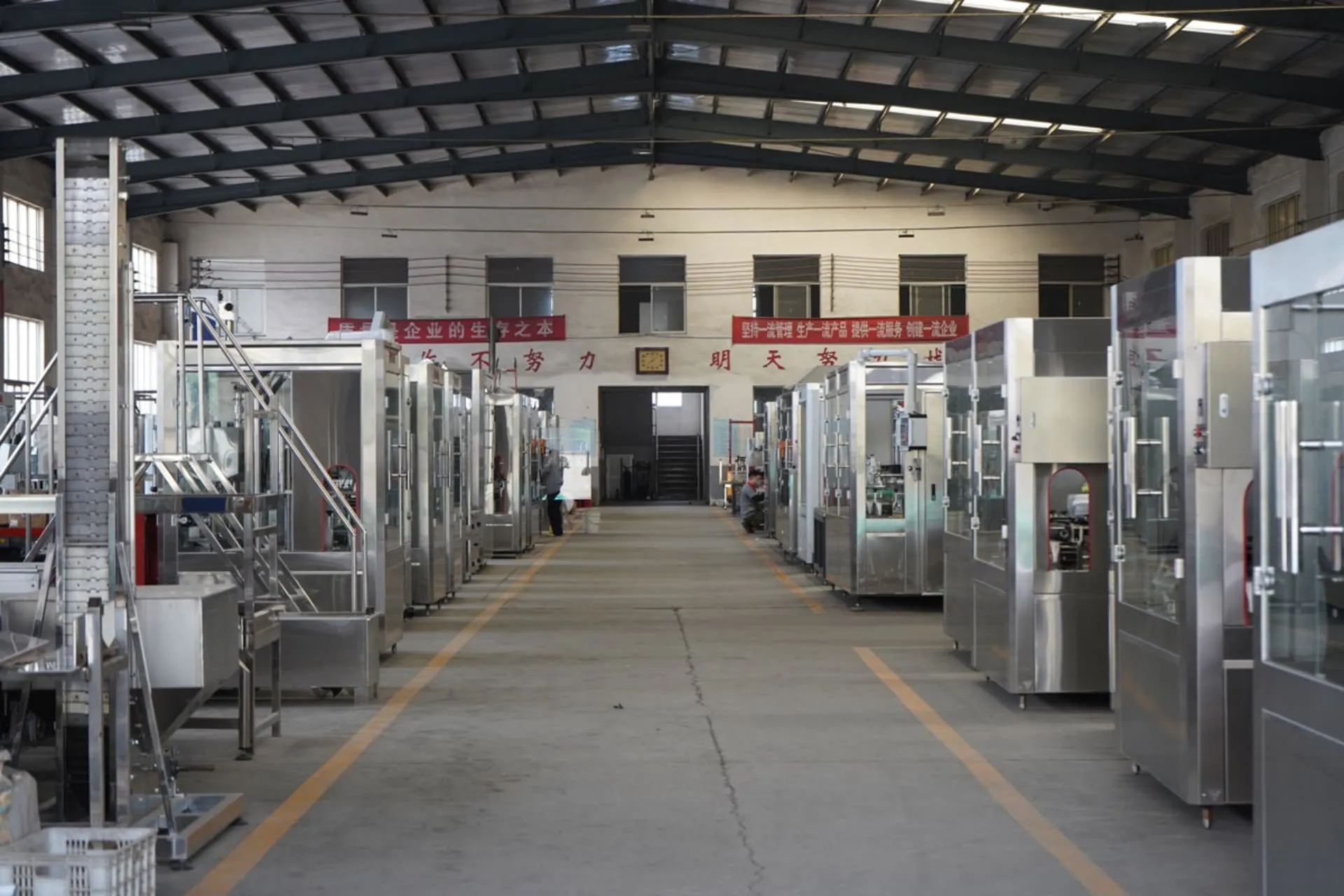
DIRECT MANUFACTURING
Built by MotivaPAC
MotivaPAC manufactures liquid filling machines and bottling equipment in an 18,000 m² factory backed by more than 20 years of manufacturing experience and in-house CNC machining capability. Our equipment range covers filling, capping, bottle washing, labeling and end-of-line packaging.
For each sauce application, our engineering team connects the machine model, product-contact construction, bottle range, operating conditions and FAT method in one defined proposal. Procurement, engineering and production teams can evaluate the same scope from quotation through machine acceptance.
Sauce Filling Machine FAQs
Direct answers, with product and test limitations kept visible.
What type of filling machine is best for thick sauce?
A servo-piston filler is the first platform to consider for smooth, thick and pumpable sauce. The piston stroke gives controlled volumetric dosing, while the nozzle and filling profile are configured around viscosity, temperature, bottle opening and output.
Can one machine fill ketchup, honey and other sauces?
One GZH configuration can cover several pumpable products when their fill volumes, flow behavior, temperatures and cleaning requirements fit the selected machine range. Recipes support operating changes, and product-contact cleaning remains part of the changeover plan. Honey projects benefit from temperature and viscosity data because both affect cycle time and nozzle cut-off.
Can the machine handle sauce with particles?
The GZB platform supports selected particle-containing products when the pump, valve and nozzle path fit the ingredient size and structure. Send the maximum particle dimension, shape, percentage and settling behavior together with a representative sample for application testing.
Can MotivaPAC supply a hot sauce filling machine?
We evaluate pumpable hot sauce applications from the actual filling temperature, not the product name alone. When the sauce enters the machine at an elevated temperature, its temperature, acidity and viscosity—together with the bottle material and cleaning method—determine the product path, seals and any heating, insulation or mixing functions.
What filling range and output are available?
GZH configurations cover 100–1,000 ml or 500–5,000 ml with a 1,000–4,500 BPH water-like-liquid reference. GZB configurations cover 250–20,000 ml with a 150–2,400 bottles/hour reference. Sauce viscosity, temperature, fill volume, bottle opening and head quantity determine the project-specific output.
What information is needed for a quotation?
Send the sauce, filling temperature, viscosity or flow video, particle data, fill volume, bottle and cap, target output, cleaning expectations and line layout. Product and package samples allow us to define the filling platform and test conditions more accurately.
Start with Your Sauce and Bottle
Share the details that shape the machine:
- Sauce and filling temperature
- Viscosity or flow video
- Particle information
- Fill volume
- Bottle and cap
- Target BPH
- Cleaning requirements
- Product and package samples