Rinse Fill Cap Monoblock
3-in-1 Beverage Filling Machine
MotivaPAC 3-in-1 beverage filling machine integrates bottle rinsing, liquid filling and cap closing in one compact monoblock system for bottled non-carbonated beverage lines.
For water, juice, tea drinks, functional drinks and similar bottled beverages, the system is configured around your bottle, cap, filling volume and target output.
- Rinsing, filling and capping in one frame
- For bottled non-carbonated beverages
- Configured by bottle, cap and output
- Supplier support for line integration
Integrated Process
Rinsing, Filling and Capping in One Beverage Monoblock
A 3-in-1 beverage filling machine combines three process stations in one integrated unit: bottle rinsing, beverage filling and cap closing. This structure is used when a beverage line needs stable bottle transfer, a compact layout and coordinated rinsing-filling-capping control.
Compared with separate machines connected by longer conveyors, a rinse fill cap monoblock helps reduce transfer points between process steps. That can improve bottle stability and simplify the layout for repeat production.
Bottle Rinsing
Removes dust or loose particles before filling when the packaging process requires bottle preparation.
Beverage Filling
Controls the target volume or liquid level according to beverage behavior, bottle type and output target.
Cap Closing
Applies the matched cap or closure through the right capping, corking or sealing structure.
Machine Function
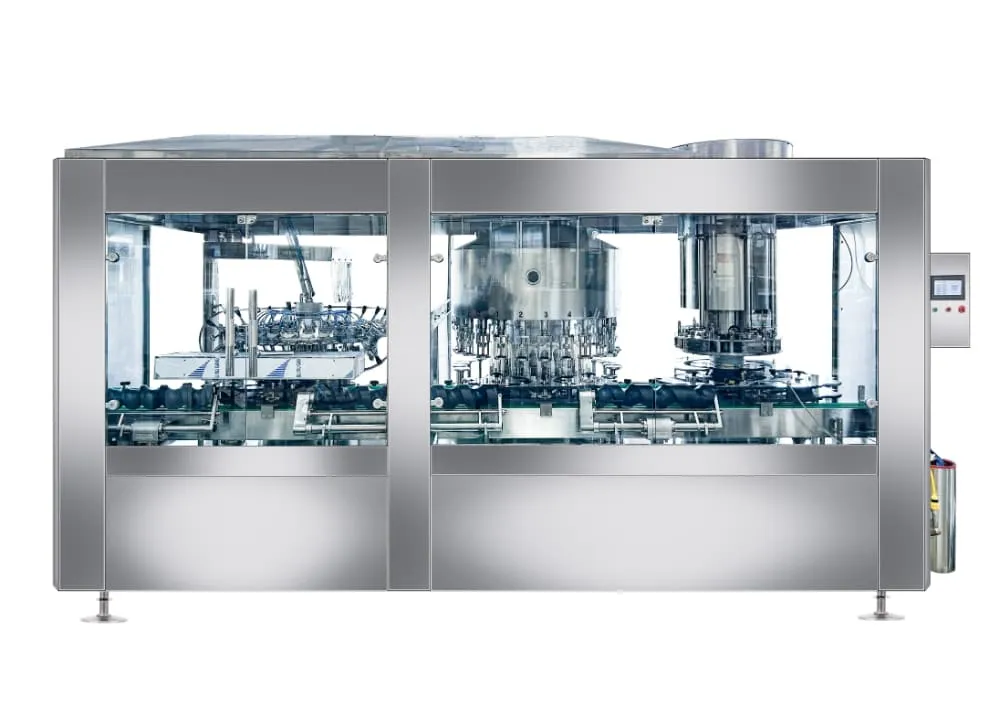
What the Machine Does in a Bottled Beverage Line
The machine receives empty bottles, moves them through rinsing, fills the beverage and closes the cap before bottles continue to labeling, packing or other downstream equipment.
The exact design depends on bottle material, bottle shape, cap type, filling method, liquid behavior and target output. MotivaPAC reviews these details before recommending a 3-in-1 monoblock, filling-capping monoblock, standalone filler or broader line configuration.
Application Fit
Best For: Bottled Non-Carbonated Beverage Lines
| Fit | Typical Projects | Configuration Notes |
|---|---|---|
| Best fit | Bottled water, juice, tea drinks, functional drinks and similar non-carbonated beverages | Match rinsing method, filling method and cap closing to bottle and liquid behavior. |
| Good fit after confirmation | Glass bottle beverages, PET bottle beverages, small to medium production lines and compact factory layouts | Confirm bottle stability, bottle mouth size, cap type and output target. |
| Confirm before quote | Light foaming drinks, pulp-containing beverages, hot fill requirements or special closures | Provide samples and process details before machine selection. |
| Not the main fit | Carbonated drinks, beer, cans, dairy and aseptic beverage lines | These projects require separate technical confirmation and may need different filling technology. |
Configuration Choice
3-in-1 vs Standalone Filling and Capping Equipment
A beverage rinsing filling capping machine is not automatically the right answer for every line. The right choice depends on whether rinsing is needed, how often products change, how much floor space is available and whether the buyer wants a compact synchronized system.
| Choice | Better When | Buyer Consideration |
|---|---|---|
| 3-in-1 beverage filling machine | The line needs rinsing, filling and capping in a compact synchronized system. | Strong fit for stable bottle formats, repeat production and limited factory space. |
| Standalone filler + capper | The project needs more flexible layouts, future equipment changes or special handling between steps. | Useful when bottle types, caps or product families change often. |
| Filling-capping monoblock | Bottle rinsing is handled separately or is not required for the packaging process. | Reduces integration complexity while keeping filling and capping synchronized. |
| Rinsing-filling-corking monoblock | The product uses corks instead of screw caps or crown caps. | Common for some glass bottle wine, spirits or specialty beverage projects. |
Selection Inputs
How to Choose the Right 3-in-1 Beverage Filling Machine
Start with the packaging, not the machine name. A reliable configuration depends on bottle type, bottle shape, cap type, liquid behavior and required output.
- Bottle type: PET and glass bottles require different transfer and stability checks.
- Cap type: Screw caps, ROPP caps, crown caps and corks need different closing systems.
- Liquid behavior: Low-viscosity, light foaming, pulpy or hot fill products need technical confirmation.
- Output target: Required bottles per hour affects head count, layout and downstream matching.
Manufacturer & Supplier Evaluation
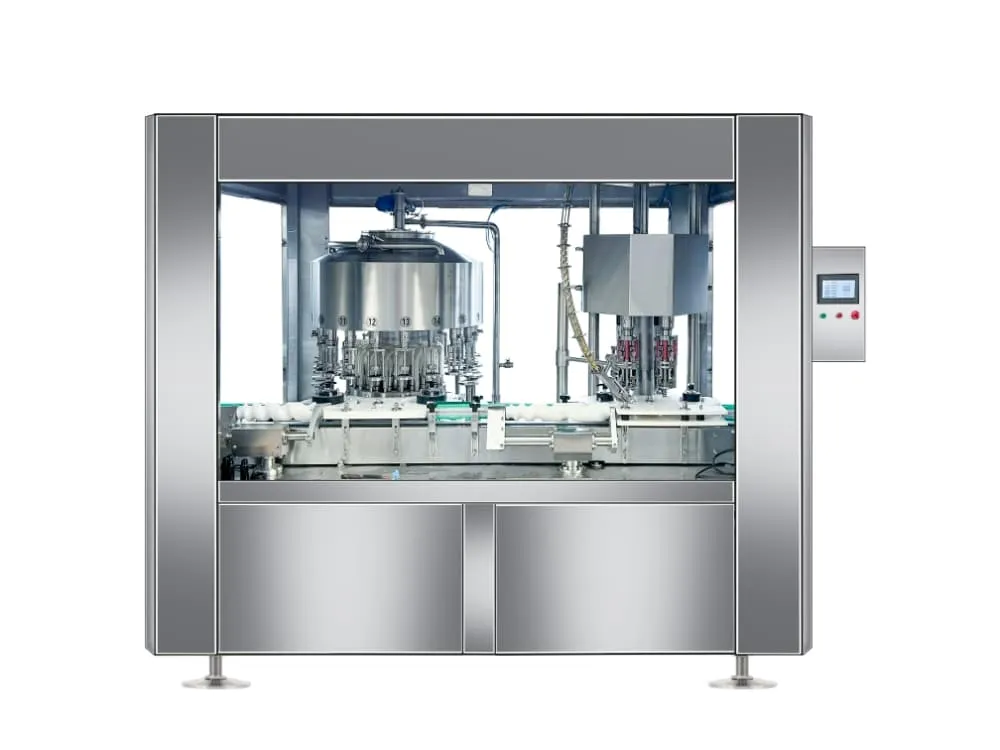
Choosing a 3-in-1 Beverage Filling Machine Manufacturer
When comparing 3-in-1 beverage filling machine manufacturers, the useful question is not only who can supply a machine. The stronger question is who can match the machine to the bottle, cap, beverage and production layout.
MotivaPAC works as a 3-in-1 beverage filling machine manufacturer and supplier for bottled non-carbonated liquid lines. Engineering discussion starts from the buyer's bottle samples, closure style, filling volume, target output and line layout, then moves into the suitable monoblock structure and supporting equipment.
What to Check When Comparing Suppliers
- The supplier understands bottle rinsing, filling and capping as one connected process.
- The machine can be configured around bottle and cap samples.
- Filling method selection is explained in buyer language.
- Line layout, conveyors, labeling and packing can be planned together.
- Commissioning, spare parts and after-sales support are discussed before the order.
- Quote documents define scope, output, materials and acceptance points.
Buyers comparing several 3-in-1 beverage filling machine suppliers can use this checklist before requesting final prices.
Technical Reference
Available Configurations and Related MotivaPAC Pages
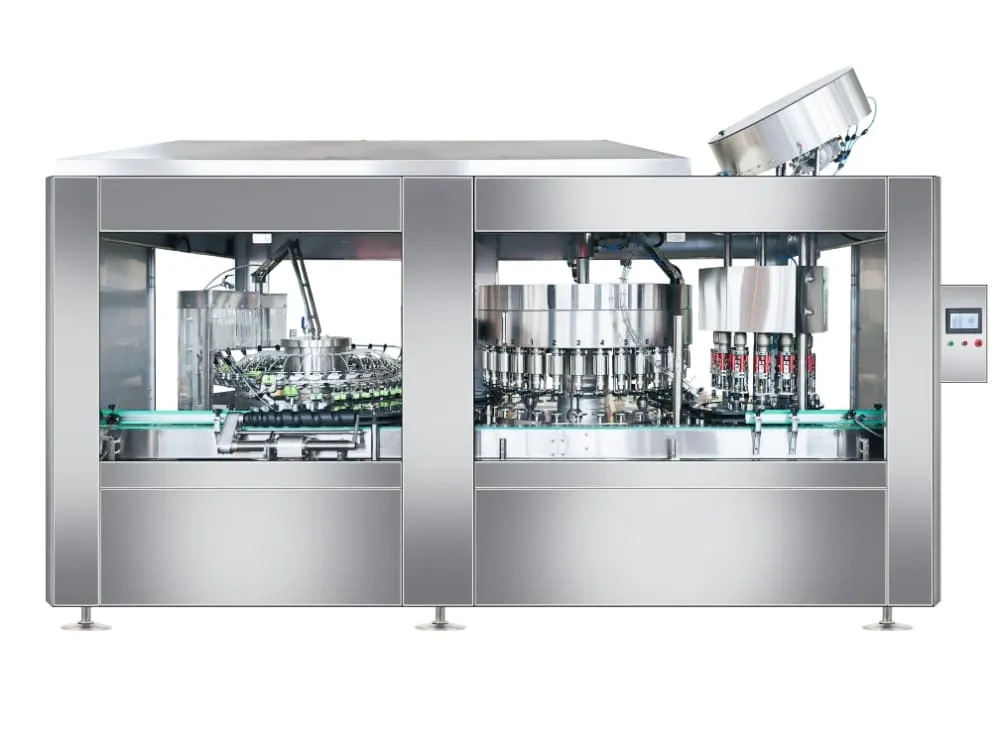
Rinsing + Filling + Capping
Bottled non-carbonated beverage lines needing an integrated RFC machine.
Monoblock Systems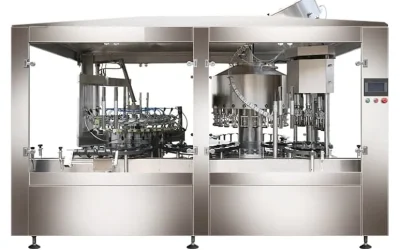
Filling + Capping
Lines with separate bottle cleaning or no rinsing requirement.
Liquid Filling Machines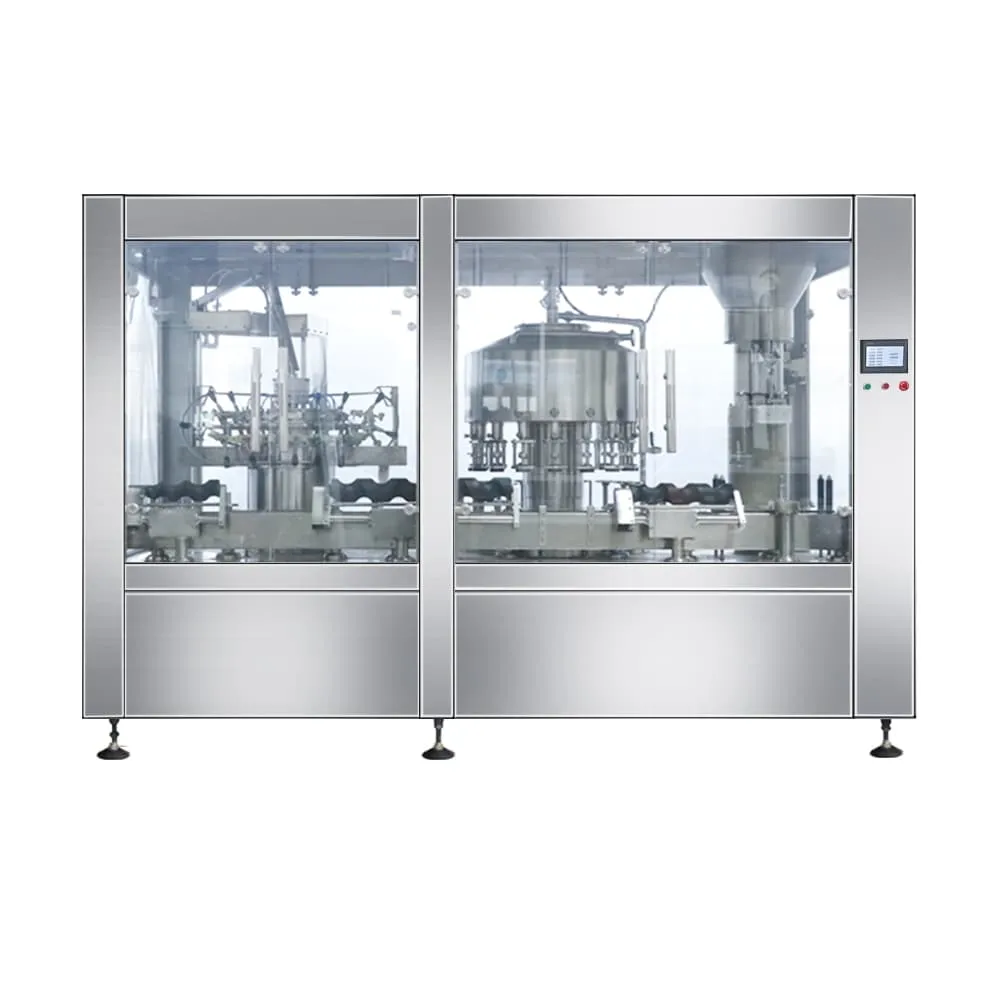
Rinsing + Filling + Corking
Glass bottle projects using cork closures or specialty closure formats.
Capping & Corking MachinesBeverage Application Line
Bottled drink projects requiring machine selection by beverage type.
Beverage Filling MachineLine Integration
Build the Line Around the 3-in-1 Machine
A beverage rinser filler capper is usually the center of the bottling line, but it rarely works alone. Depending on the project, the line may include bottle feeding, bottle washing, cap sorting, labeling, date coding, carton packing and carton sealing.
Quote Preparation
What to Send for a Practical Quote
For a useful recommendation, share the beverage, bottle, cap and production details before asking for a machine price. These details help MotivaPAC decide whether a 3-in-1 monoblock, filling-capping monoblock, standalone filler or broader bottling line configuration is the better fit.
Send Bottle and Cap DetailsFactory Support
MotivaPAC Support for Beverage Filling Projects
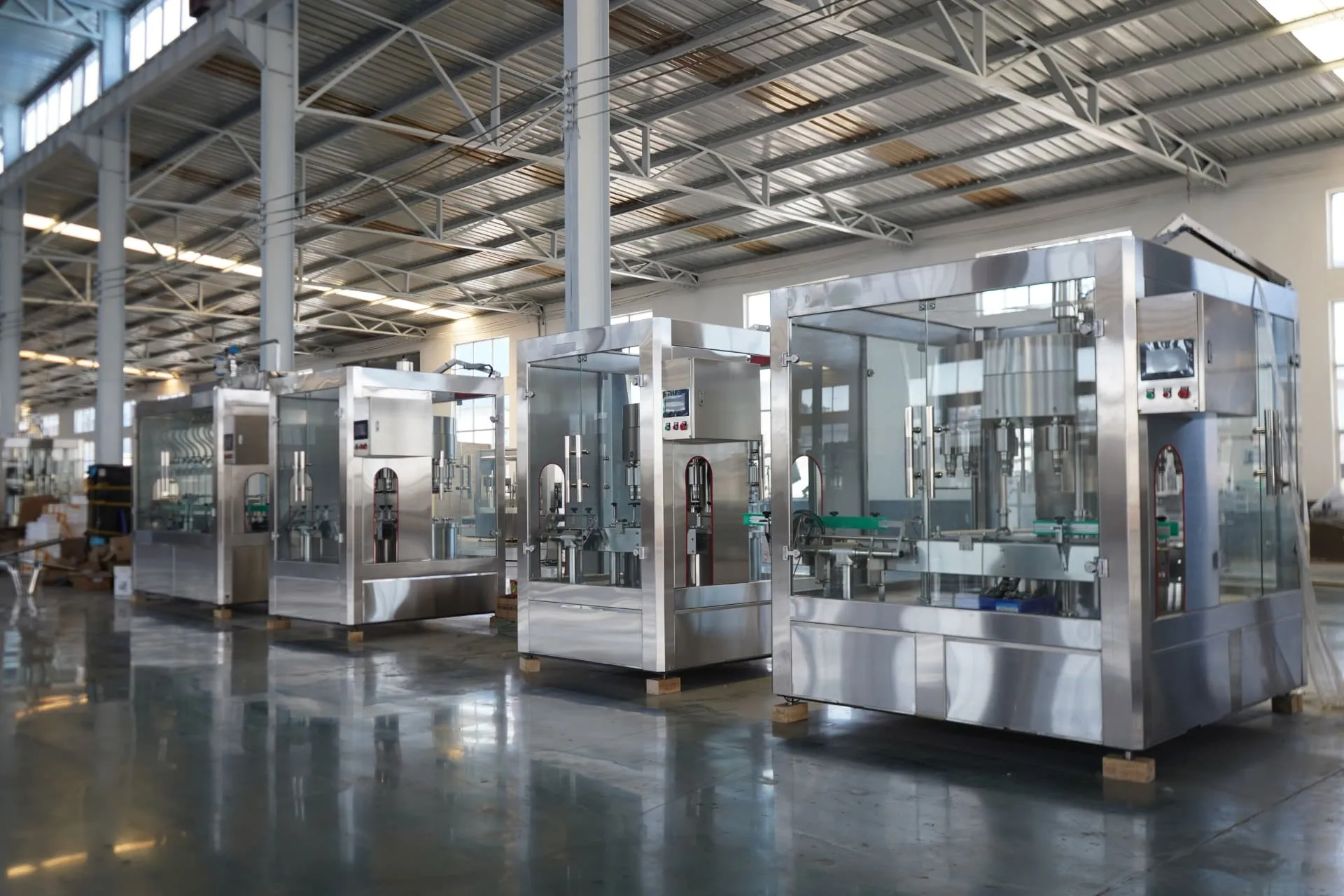
MotivaPAC supports liquid filling and bottling equipment projects for beverage liquids, wine, spirits, edible oil, condiments, daily chemicals and other bottled products. For beverage lines, the engineering discussion connects filling method, bottle handling, cap closing and downstream packaging into one practical configuration.
- Direct liquid filling machine manufacturer
- Monoblock and standalone equipment configuration
- Support for bottle, cap, filling volume and target output review
- Line integration around capping, labeling and carton packing
Scope Boundary
Applications That Need Separate Confirmation
The core scope for this page is bottled non-carbonated beverage filling. These applications may require different equipment or additional technical review before quotation.
Common Questions
FAQ About 3-in-1 Beverage Filling Machines
What is a 3-in-1 beverage filling machine?
It combines bottle rinsing, beverage filling and cap closing in one monoblock system. This structure is commonly used for bottled non-carbonated drinks when the line needs compact layout and synchronized bottle handling.
Is a 3-in-1 machine the same as a rinse fill cap monoblock?
Yes. A rinse fill cap monoblock, RFC machine and beverage rinser filler capper usually describe the same core structure: rinsing, filling and capping integrated into one machine.
What beverages can run on this type of machine?
Typical projects include bottled water, juice, tea drinks, functional drinks and similar non-carbonated beverages. Products with carbonation, dairy, aseptic requirements or beer-style processing need separate confirmation.
Can one machine handle both PET and glass bottles?
It may be possible after technical confirmation, but PET and glass bottles require different handling considerations. Bottle dimensions, bottle stability, neck finish and cap type should be checked before configuration.
What information is needed to request a quote?
The most useful RFQ details are beverage type, bottle drawing, cap sample, fill volume, target output, factory layout, voltage and downstream equipment requirements.
How should buyers compare 3-in-1 beverage filling machine suppliers?
Compare suppliers by their ability to explain bottle compatibility, filling method selection, capping requirements, line layout, acceptance standards and after-sales support. A lower machine price may not be useful if the supplier cannot match the full packaging process.
Project Review
Build a Compact Beverage Filling Line Around the Right Monoblock
Share your beverage type, bottle drawing, cap sample and expected output. MotivaPAC will help you review whether a 3-in-1 beverage filling machine is the right configuration for your bottled drink project.