Wine Production Line for Grape Wine & Fruit Wine
Complete bottling and packaging solutions for still wine, fruit wine and other non-carbonated alcoholic beverages in glass bottles. We configure rinsing, filling, corking or screw capping, bottle drying, labeling and end-of-line packing around your actual bottle, closure style, liquid behavior and output target.
Designed for grape wine, fruit wine and other still alcoholic liquids
Low-vacuum, electronic quantitative and specialty filling options
Available as semi-automatic sections or complete integrated lines
Custom engineering support for workshop layout, changeover and upgrades
What Buyers Usually Need to Confirm First
- Are you packing grape wine, fruit wine or multiple products on one line?
- Do you need corking, aluminum screw capping or anti-theft cap capping?
- Is the liquid easy to foam, highly sensitive to appearance, or run across multiple volumes?
- Will you start with manual packing or need a full rinsing-to-palletizing solution now?
Integrated Wine Bottling Solutions for Grape and Fruit Wine
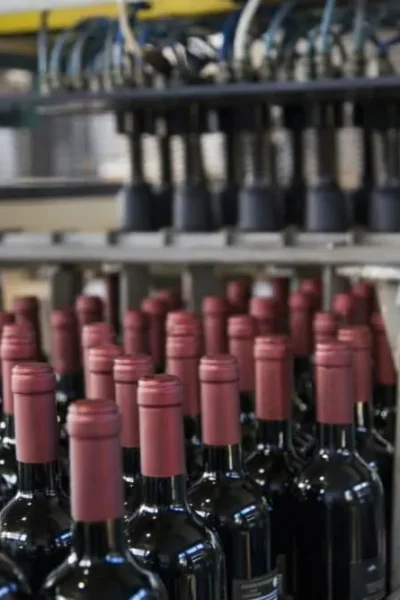
Complete wine production line solutions for grape wine and fruit wine, including bottle rinsing, low-vacuum filling, corking or screw capping, bottle drying, labeling, carton packing and palletizing for glass bottles.
Grape Wine
2,000-12,000 BPH
Fruit Wine
Cork / Screw Cap
20+ Years
Liquid packaging machinery manufacturing experience
18,000 m²
Factory area with 18,000 m² standardized workshop
2,000-12,000
Reference BPH range across wine-related line configurations
ISO9001 & CE
Quality and export readiness for international projects
Built for Practical Wine Bottling Requirements
We match wine line structure according to product type, filling method, closure style, bottle presentation requirement and end-of-line scope, so the proposal reflects practical production needs instead of a generic beverage layout.
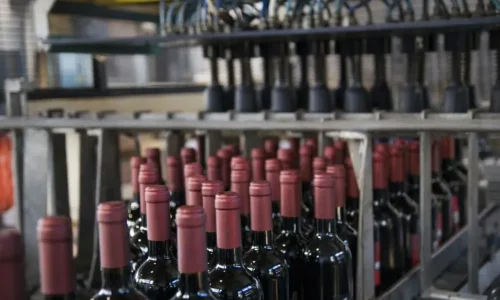
For Grape Wine Bottling
Suitable for standard glass wine bottles requiring corking, aluminum screw capping or anti-theft cap capping, with focus on bottle presentation, filling level consistency and clean label appearance.
Still wine
Glass bottles
Premium presentation
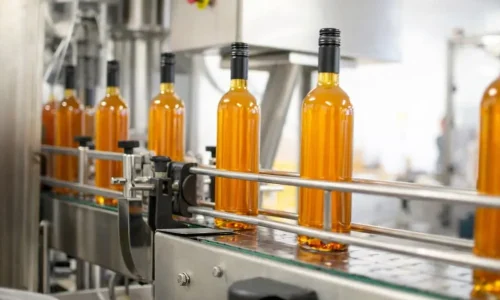
For Fruit Wine Bottling
Suitable for fruit wine products that may require more careful filling selection because of foaming tendency, multiple bottle sizes, viscosity variation or more frequent SKU switching.
Foaming-sensitive
Multi-SKU
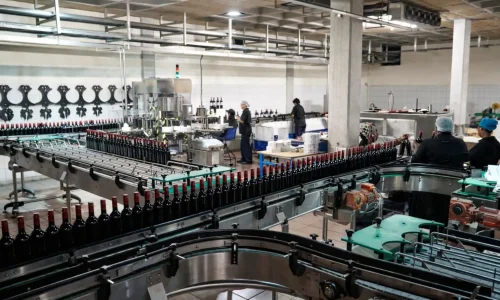
For Complete Line Projects
Suitable for projects that need rinsing, filling, capping, drying, labeling and packing planned together around available factory space and future expansion.
Line integration
Upgrade path
Typical Wine Production Process and Line Layout Logic
A standard wine line can include bottle infeed, rinsing, filling, corking or capping, bottle drying, labeling, carton packing and palletizing. Final layout depends on closure method, required speed, bottle presentation and automation level.
01
Bottle Infeed
Stable bottle transfer into the main line.
02
Rinsing
Bottle washing before filling.
03
Filling
Low-vacuum, quantitative or specialty filling.
04
Corking / Capping
Cork, screw cap or anti-theft cap sealing.
05
Drying
Remove bottle surface moisture before labels.
06
Labeling
Front/back, wrap-around or double-side application.
07
Case Packing
Manual or automatic carton loading.
08
Palletizing
Optional end-of-line automation for larger projects.
Choose the Right Wine Line Configuration
The three configuration paths below compare complete lines, filling methods, closure types and labeling routes more directly for wine and fruit wine projects.
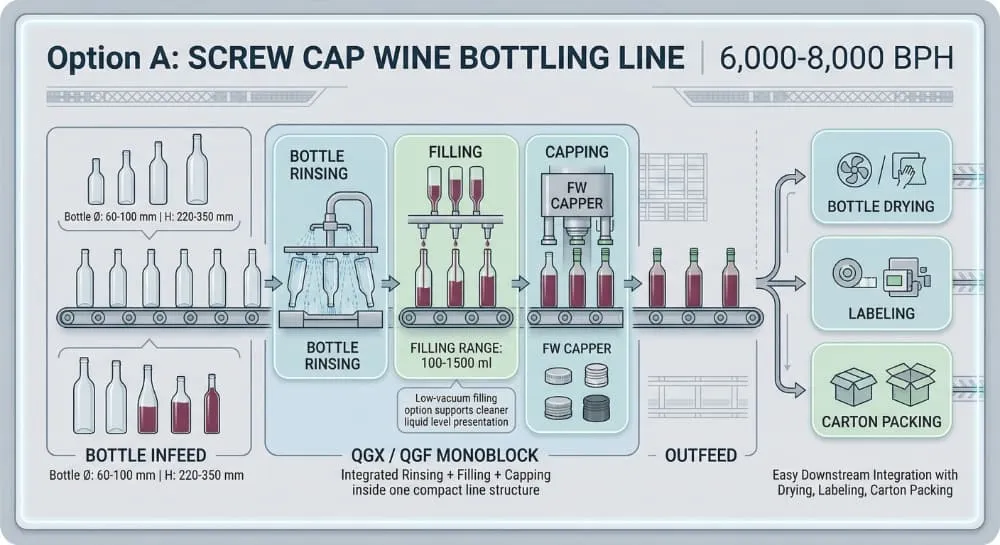
Option A: Screw Cap Wine Bottling Line
Recommended for grape wine or fruit wine in glass bottles using aluminum screw caps or anti-theft caps. This configuration is a practical fit for stable medium-to-high output production and smoother downstream integration.
QGX / QGF Monoblock
FW Capper
6,000-8,000 BPH
- Bottle rinsing + filling + capping inside one compact line structure
- Suitable for bottle diameter 60-100 mm, height 220-350 mm, filling range 100-1500 ml
- Low-vacuum filling option supports cleaner liquid level presentation
- Easy to integrate with bottle drying, labeling and carton packing
Option B: Corked Wine Bottling Line
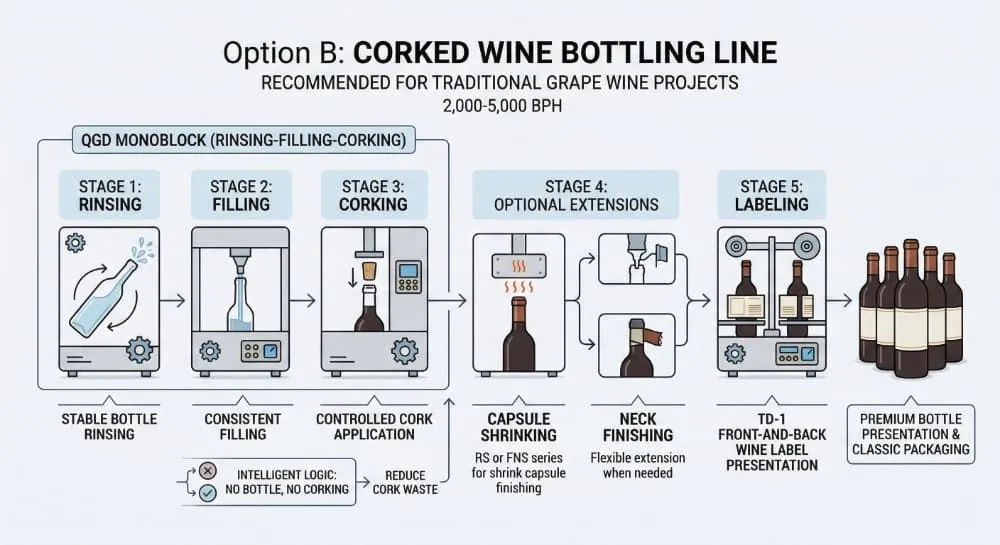
Recommended for traditional grape wine projects using cork closures. This path focuses on stable rinsing, filling and corking, and can also be extended to capsule shrinking or neck finishing when needed.
QGD Monoblock
Corking
2,000-5,000 BPH
- No bottle, no corking logic helps reduce cork waste
- Good fit for premium bottle presentation and classic wine packaging
- Optional RS or FNS series for shrink capsule finishing
- Works well with TD-1 front-and-back wine label presentation
Option C: Fruit Wine Bottling Line
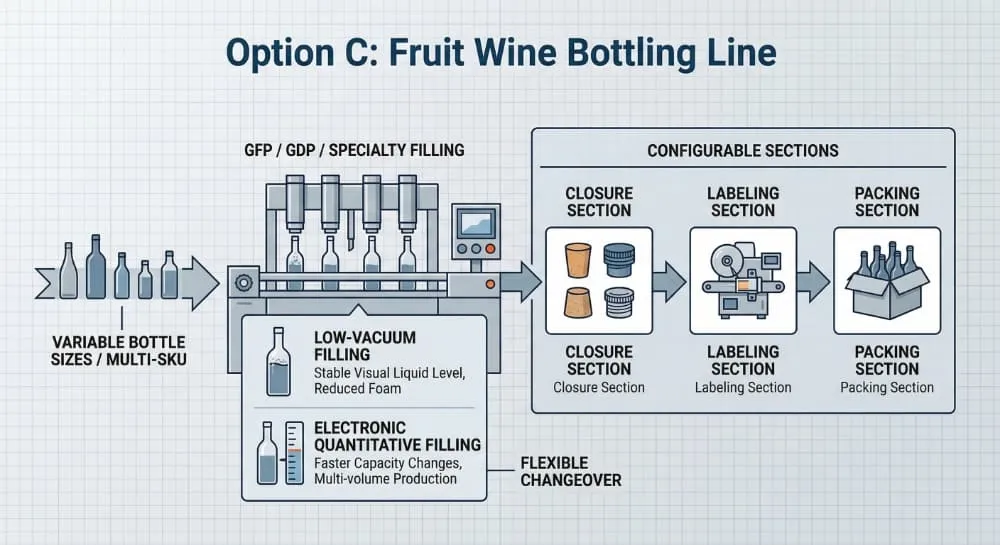
Recommended when liquid behavior should drive filling method selection instead of copying a standard wine setup, especially for easy-foaming products, variable bottle sizes and multi-SKU projects.
GFP / GDP / Specialty Filling
Flexible changeover
Multi-volume
- Low-vacuum filling for stable visual liquid level and reduced foam
- Electronic quantitative filling for faster capacity changes and multi-volume production
- Configurable closure, labeling and packing sections
- Suitable for customers who need a more engineered recommendation
How to Choose the Right Filling Method for Wine and Fruit Wine
Buyers often search for a wine bottling line when the real selection question is the filling method. This section helps answer that question directly.
| Filling Method | Best For | Key Advantages | Reference Range |
|---|---|---|---|
| Equal Liquid Level / Low-Vacuum Filling | Grape wine, still wine, easy-foaming fruit wine, presentation-sensitive bottles | Helps reduce foaming, supports visual liquid level consistency, reduces bottle damage and is easy to clean and maintain | Common range 100-1500 ml with wine-related line capacity up to 12,000 BPH depending on configuration |
| Electronic Quantitative Filling | Fruit wine, multi-volume production, multiple bottle sizes, higher precision demand | Fast filling speed, quick volume changeover, suitable for multi-variety filling and wider bottle-volume coverage | GDP-related range 50-5000 ml, with output depending on selected heads and model |
| Intelligent Induction Filling | Wine, juice and similar liquids where smoother flow and reduced bubble generation matter | Closed liquid channel design, reduced bubble generation, high accuracy and stable performance | Selected according to product behavior and required speed |
| Metering Pump Filling | More viscous or special fruit wine products, or lines that need broader liquid compatibility | Suitable as a custom selection when standard wine-style filling logic is not ideal | Confirmed according to actual product behavior and bottle requirement |
Selection Factors We Usually Confirm
- Product type: grape wine, fruit wine or mixed project
- Foaming tendency and desired bottle presentation
- Bottle volume range and future SKU expansion
- Closure type, label style and automation level
Why Filling Method Selection Matters
This comparison makes filling method selection more direct, especially when comparing grape wine, fruit wine, corking, screw capping and different label presentation requirements before quotation.
From Rinsing to Packing: Modules That Build the Complete Wine Line
Our strength is not only in one machine category, but in matching standalone machines and full line sections into one practical wine production solution.
Bottle Rinsing
Used to prepare glass bottles before filling, either as a stand-alone section or inside a monoblock structure for cleaner integration.
QSP series
Monoblock rinsing
Filling
Available filling routes include equal liquid level, electronic quantitative and specialty filling methods selected according to the product.
GFP series
GDP series
Intelligent induction
Corking or Capping
Choose corking, aluminum screw capping or anti-theft cap capping according to closure style and market positioning.
QGD
FW series
Corking
Bottle Drying
Bottle drying helps improve label quality by removing surface moisture after filling and capping, especially before wine labeling.
JN-3 / HG-W
Pre-label drying
Labeling
Choose front-and-back labeling, wrap-around labeling or double-side labeling according to bottle shape and label design.
TD-1
TN series
Wine bottle presentation
End-of-Line Packing
Expand from manual packing to automatic carton opening, cartoning, sealing and palletizing for larger wine projects.
QKX / QZX / QFX
Palletizer
Key Technical Range Buyers Usually Care About First
These reference figures help qualify inquiries faster. Final recommendations should still be confirmed against your actual bottle sample and layout requirement.
2,000-12,000 BPH
Reference output across wine-related line structures
60-100 mm
Typical bottle diameter range for key monoblock references
220-350 mm
Typical bottle height range for wine line references
100-1500 ml
Common wine-related filling volume range
Why Labeling and Finishing Matter So Much in Wine Projects
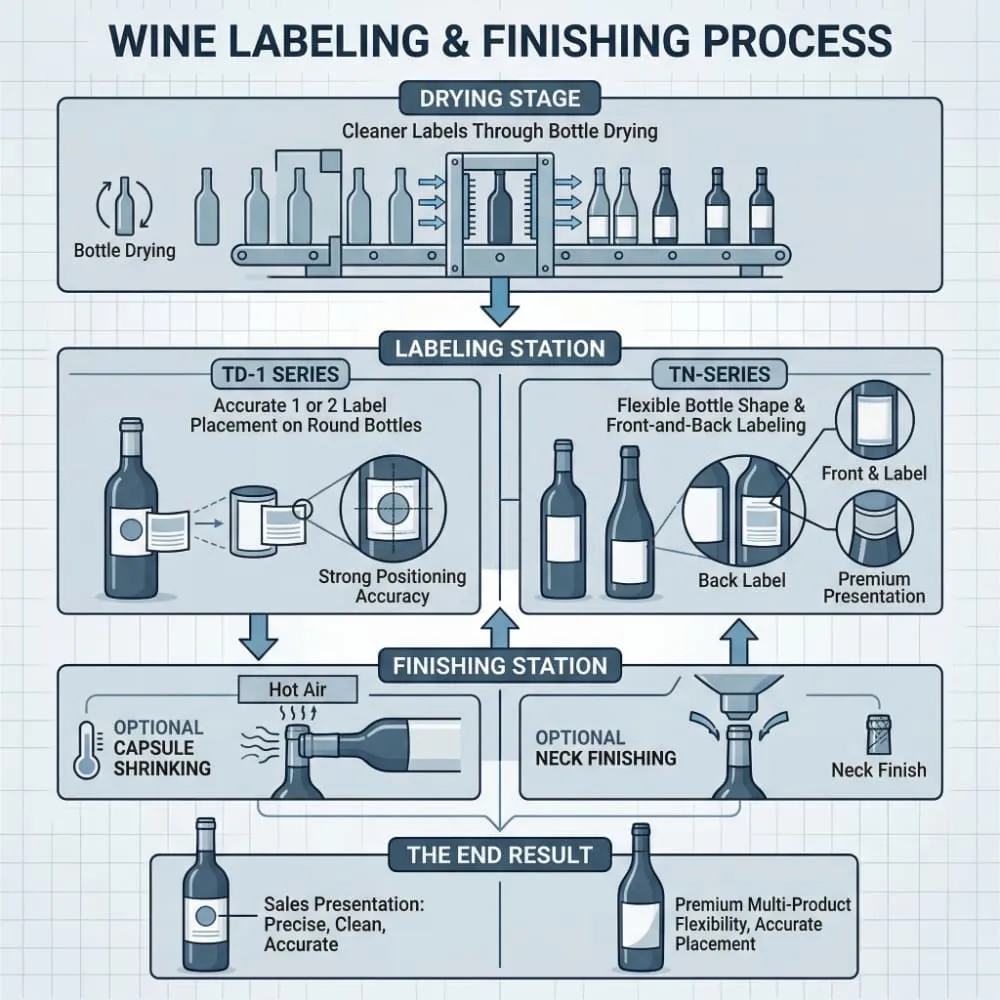
In wine packaging, the bottle is not only a container. It is part of the sales presentation. That is why the line must support the right closure finish, clean bottle drying and accurate label placement.
TD-1 is especially valuable where one or two labels need to be applied with strong positioning accuracy on round wine bottles. For broader bottle-shape flexibility and front-and-back labeling across multiple products, the TN-series is also relevant.
- Premium front-and-back wine label presentation
- Full wrap-around labeling for larger round bottles
- Optional capsule shrinking and neck finishing after corking
- Cleaner labels through bottle drying before application
Why Choose MotivaPac for Wine Bottling Projects
Buyers need confidence in supplier capability, engineering support and line integration experience, not just machine names.
Focused on Liquid Packaging Machinery
MotivaPac serves bottled liquid industries including wine, fruit wine, beverages, condiments, edible oil, enzymes and other liquid packaging categories.
Complete Line Capability
The equipment scope covers rinsing, filling, sealing, drying, labeling, carton opening, cartoning, carton sealing, coding and related downstream handling.
Custom Design & Modification Support
Projects can be designed, developed or modified according to customer requirements, which is important for existing line upgrades and special layouts.
Manufacturer Strength & Export Readiness
MotivaPAC supports wine projects with an 18,000 m² factory, a 12,000 m² standardized workshop, 20+ years of manufacturing experience, CAD/CAM/CNC capability, ISO 9001 and CE certification.
Customization Options
Common Customization Requests for Wine Projects
- Cork or screw cap selection
- Front-and-back labeling or wrap-around labeling
- Manual or automatic carton packing
- Line layout matched to workshop size and flow direction
- Multiple bottle sizes or future capacity upgrade planning
- Capsule shrinking or neck finishing after corking
What We Need to Quote
Information That Makes the Proposal More Accurate
- Product type: grape wine or fruit wine
- Bottle material, bottle size and bottle shape
- Filling volume and target output per hour
- Closure type: cork, screw cap or anti-theft cap
- Label size, label position and carton details
- Whether you need a stand-alone machine, partial line or complete line
Frequently Asked Questions About Wine Production Lines
These FAQs address common questions about configuration, filling method and line scope before quotation.
In many cases yes, but the final recommendation depends on liquid behavior, bottle format, closure style and the filling logic required for the product.
Low-vacuum or liquid-level filling is often preferred because it can help reduce foaming and improve bottle appearance, but the final choice should still be confirmed against your product sample.
Yes. MotivaPac can configure separate corking or capping routes, and in some projects the layout can be planned around different closure requirements and future changes.
Yes. Positioning and double-side labeling solutions are available for premium front-and-back wine label presentation.
Yes. We can configure projects from rinsing and filling through to carton opening, cartoning, carton sealing and palletizing, depending on your automation target.
Do you provide line layout design according to our workshop?
Need Help Choosing the Right Spirits Bottling Line?
Tell us your bottle type, cap or cork format, filling volume and target output. Our team will recommend a practical line solution for your project.
Request a Quote
Fill in the form below and our team will recommend the right machine configuration for your project.